
新闻中心
Why does hot melt adhesive turn black when heated? The color of hot melt adhesive itself does not change easily before and after heating, but it is not absolute in actual use. So why does a good room temperature adhesive turn black when heated and dissolved?
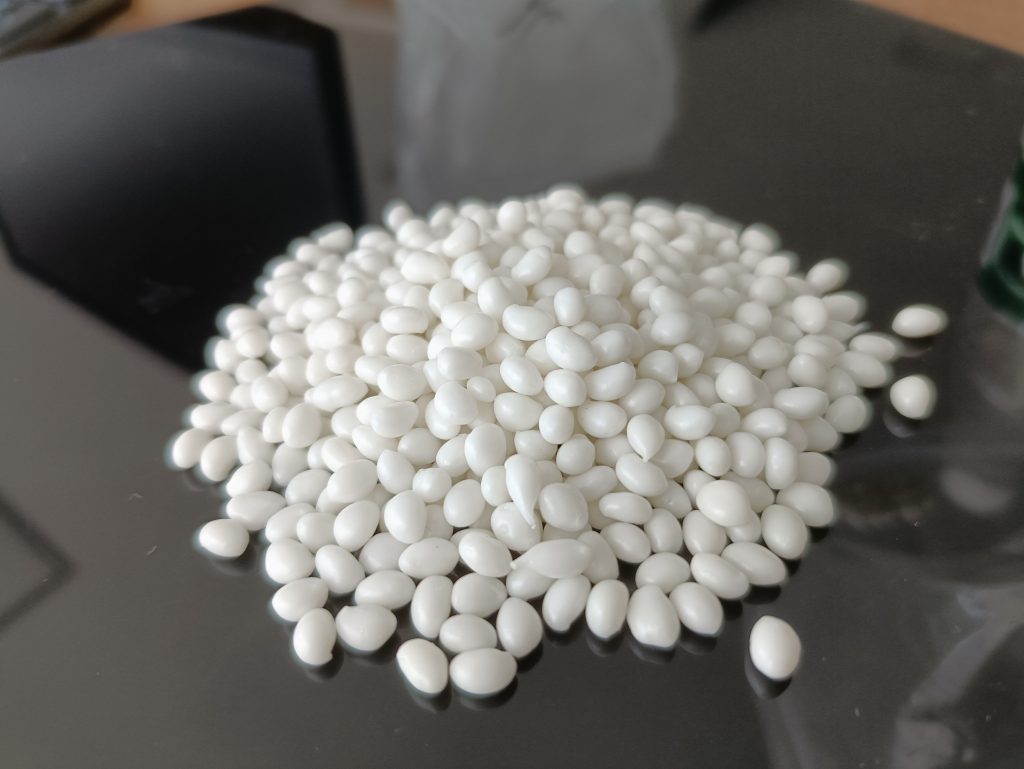
At the production level, hot melt adhesive will undergo color changes due to the type and weight of raw materials added. Once made into a finished product, the color of the colloid at room temperature will not change significantly after heating and dissolving with hot melt adhesive, which is the result of normal use. However, in reality, there are many factors that affect the change in the state of hot melt adhesive.
1. Excessive carbides in the glue pot
After completing daily gluing tasks, there will be more or less glue residue in the glue pot. Especially for companies that use a small amount of glue after each production plan, they habitually reheat the remaining glue for the next production. Many hot melt adhesive equipment operators have no awareness of cleaning the glue pot after working every day. In the case of cyclic heating, not only will the performance of hot melt adhesive deteriorate, but also more and more carbides will be produced in the pot. These carbides also act as impurities, continuing to hinder the performance of the adhesive. Moreover, the carbides have not been thoroughly cleaned, and the quantity is very alarming.
2. High temperature variation of inferior raw materials
No matter how good the recipe is, ingredients are the foundation! The same raw material has different properties. If the formula is not fine tuned, the performance of the produced hot melt adhesive will be different. In addition, there may be reactions between raw materials, so special attention should be paid. The experiment should be conducted for as long as possible at high, normal, and low temperatures to ensure the stability of the formula.
Color change is just one form of expression, and the reason is that heating hot melt adhesive intensifies molecular motion, increases molecular activity and the frequency of intermolecular collisions, which is a process that challenges product stability. Therefore, when choosing hot melt adhesive, it is important to choose a reliable hot melt adhesive manufacturer.
What should I do if the hot melt adhesive particles are not firmly attached to the coated paper? Direct answer: The root cause of the poor adhesion of laminated paper is mostly due toLow membrane surface energy, glue not eating paper fibers, poor coordination between opening time and compressionThese three points. The surface of laminated […]
During the use of hot melt adhesive, many customers have reported that the glue does not stick. Therefore, most users will encounter various troubles in the production process because they do not have a deep understanding of hot melt adhesive. Below is a detailed introduction on how to improve the bonding strength of hot melt […]
There are various types of hot melt adhesives with different uses and compositions, generally classified according to their chemical composition and uses. 1、 Polyolefin hot melt adhesive Polyolefin hot melt adhesives include polyethylene hot melt adhesive and polypropylene hot melt adhesive. Polyethylene (PE)is polymerized from ethylene with a small amount of alpha olefin or other […]
What are the advantages of hot melt adhesive for books and periodicals? Choosing the appropriate adhesive is an important decision for all manufacturers. It can play a decisive role in product performance, ultimately affecting the productivity and profitability of the enterprise. That’s why we have compiled a list of the main advantages of hot melt […]