
新闻中心
The aging of hot melt adhesive is quite common in its application. This phenomenon is mainly caused by the glue heating time being too long or the heating temperature being too high. How to determine if hot melt adhesive has aged?
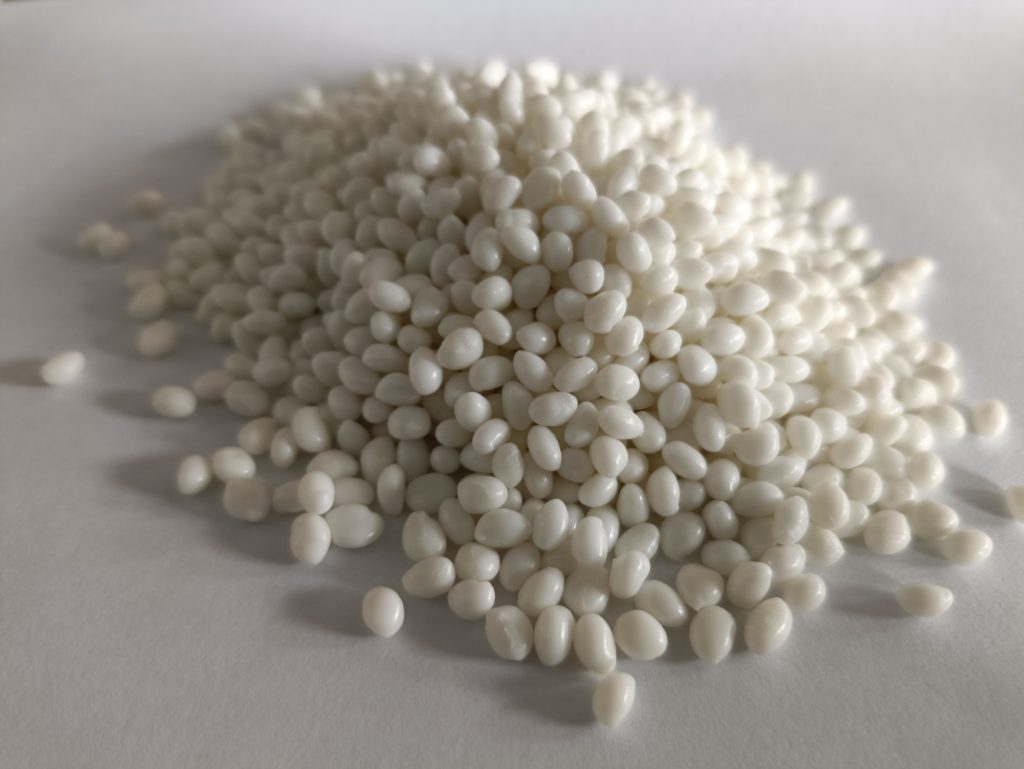
Aging hot melt adhesive may exhibit the following phenomena:
The aging phenomenon that occurs is generally caused by improper use of hot melt adhesive. It can also be stored for a long time before use. The surface of hot melt adhesive begins to oxidize, attaching dust and microorganisms. As long as the storage space is dry, tidy, and used properly, hot melt adhesive can be stored better, and there is no need to worry about its good storage performance.
The flowability of hot melt adhesive particles has an impact on the quality of glue and adhesive. Hot melt adhesive has poor fluidity and can also cause stretching problems or mismatch with mechanical efficiency. 1. Sol temperature; Hot melt adhesive is very sensitive to temperature, and changes in temperature can alter the structure of the […]
Wireless glue binding machines are widely used in graphic and text fast printing stores. Common problems and solutions in the binding process of glue binding machines include: 1、 Poor quality behind the book core milling1. If the book core is not neat or placed neatly, it should be ensured that each piece of paper is […]
What is the reason why EVA hot melt adhesive does not stick? Some time ago, a customer asked us why we couldn’t stick books firmly when bonding. Through this small case, we will answer the question: What is the reason why hot melt adhesive does not stick? When bonding books, if EVA hot melt adhesive […]
Due to the fact that paper materials vary across different industries, we use different hot melt adhesives to bond the handles of paper bags, providing our customers with hot melt adhesive solutions for paper bags. This is not only for reinforcement but also to ensure the aesthetic appearance of the hand-held paper bags. More importantly, […]