
2022-08-11 Views: 117 Chinese
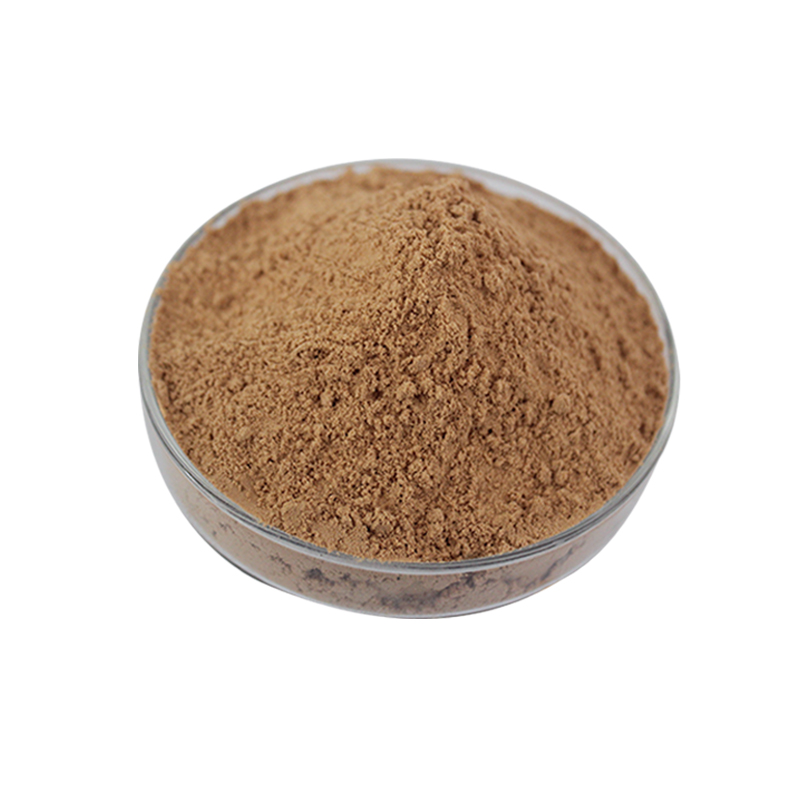
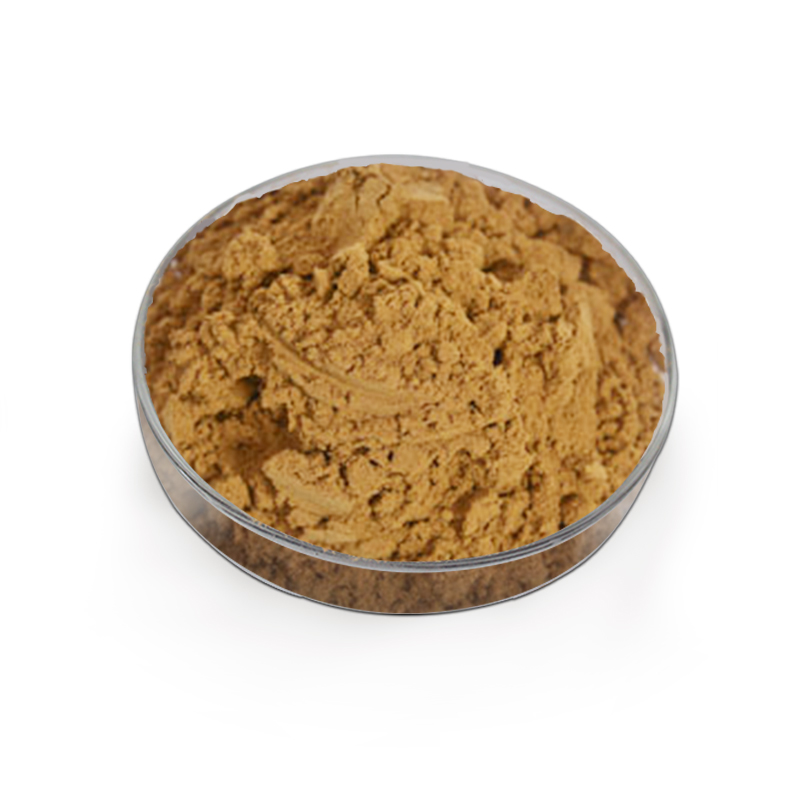
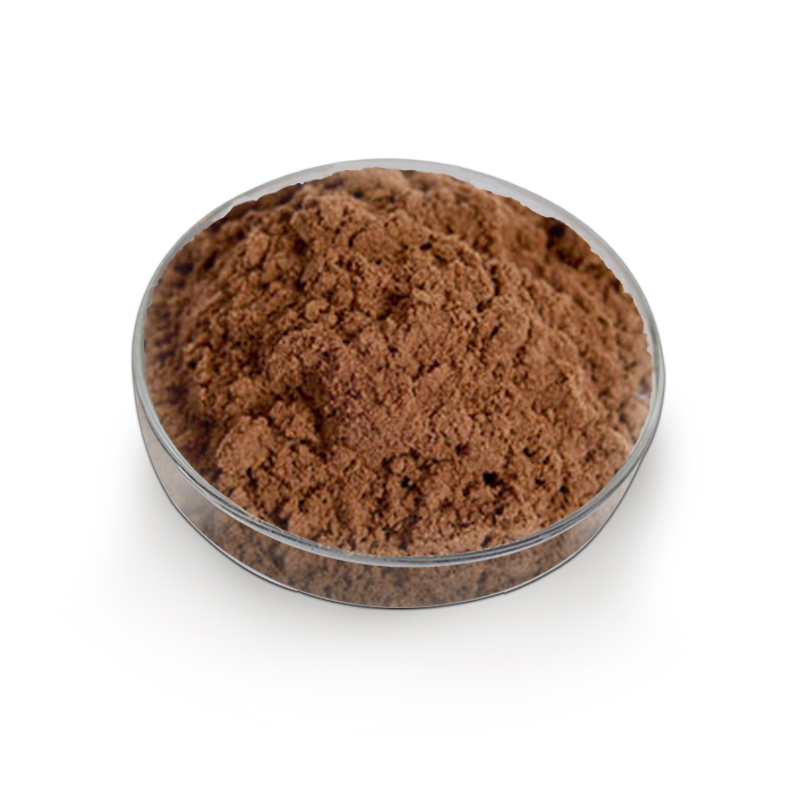
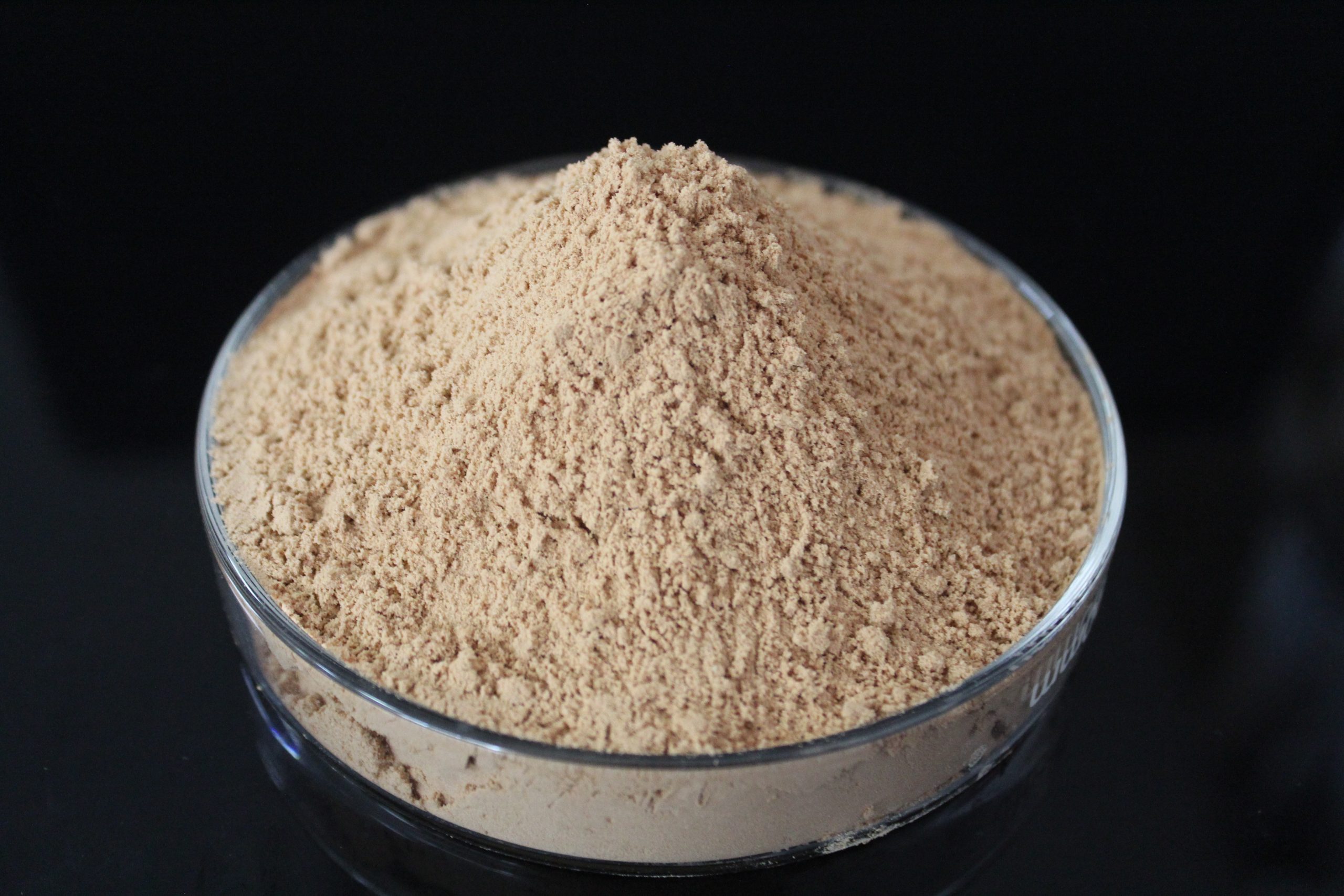
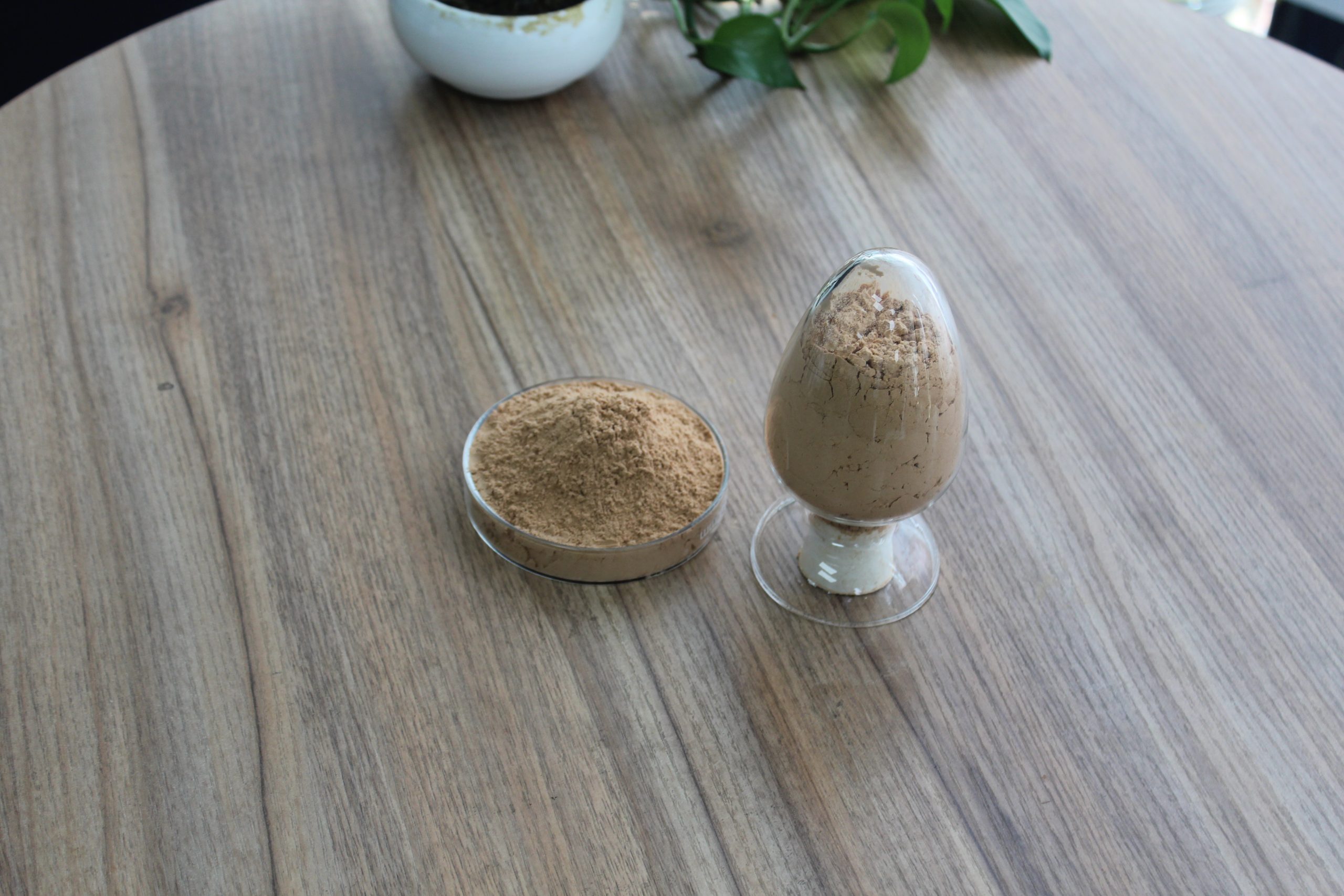
The convergence performance of tannic acid enables it to effectively control animal diarrhea. In addition, tannic acid hydrolyzes in the body to produce glucose and gallic acid, which has the effect of reducing oxidative stress in the body. Tannic acid also has bactericidal, anti-inflammatory, antiviral and other effects, which are most important for the production of farmed animals. Tannins are a common anti nutritional factor found in various plants. Excessive tannin content in feed can have a significant impact on animals, while moderate amounts of tannins can promote animal health and production. Tannins are secondary metabolites of some plants, which can reduce their susceptibility to pests and pathogens, but also lower animal feed intake. Tannins mainly exist in leguminous grasses, rapeseed seeds, sorghum seeds, willow seed powder, oak leaves, oak leaves, and fava beans and their processing by-products. For a long time, people have believed that tannins in feed have toxic effects on animals, but with further research, it has been found that tannins also have nutritional effects on animal growth and production. A comprehensive understanding of plant tannins is helpful for the correct application of tannin containing feed in production. Tannin, also known as tannic acid, is a water-soluble aromatic compound with a relative molecular weight of 500~3000 daltons. It can be decomposed by weak acids under low heat conditions and inorganic acids under high temperature conditions. According to their chemical structure, tannins can be divided into two types: hydrolyzed tannins and condensed tannins. Hydrolyzed tannins are formed by esterification of polyphenolic compounds such as gallic acid, diacids, and hexahydrophthalic acid with carbohydrates as the center; Condensed tannins are condensation products based on flavan-3-ol and flavan-3,4-diol as basic units. Hydrolyzed tannins are broken down by acid, alkali, or hydrolytic enzymes (tannases) to produce sugars and some known phenolic carboxylic acids (such as gallic acid). Condensed tannins can be hydrolyzed into anthocyanins such as anthocyanins, delphinidin, and anthocyanins when heated in acidic alcohol solutions. Both types of tannins can form multiple hydrogen bonds with substrates through their own phenolic groups.
Product Usage:
1. Improve the overall health of animals by preventing gastrointestinal disorders and diseases. As a natural antioxidant, it stimulates the animal immune system and reduces DNA damage in monocytes after oxidative stress. 2. Inhibiting the proliferation of pathogenic microorganisms is beneficial for the growth and reproduction of lactic acid bacteria. 3. Improve the environment and reduce diarrhea; Improving the viscosity of feces (reducing loose feces) and decreasing the concentration of ammonia in animal pens is better for animal welfare. 4. Economic benefits: reduce mortality rate, increase daily weight gain, improve feed conversion rate, improve meat quality (reduce body fat content, improve meat composition), increase carcass rate, feed tannic acid.
Previous: Jingshu bark tannin extract Mimosa ME