
新闻中心
Petroleum resin is a thermoplastic resin produced by pre-treatment, polymerization, distillation, and other processes of C5 and C9 fractions produced as by-products of petroleum cracking. It is not a high polymer, but an oligomer with a molecular weight between 300-3000.
C5 petroleum resin
① Name and characteristics
Chinese alias: C5 resin; Fatty hydrocarbon resin.
English name: C5 petroleum resin.
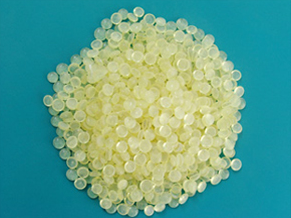
Pale yellow or light brown flaky or granular solid. Dissolve in acetone, methyl ethyl ketone, ethyl acetate, trichloroethane, cyclohexane, toluene, solvent gasoline, etc. Has good viscosity, heat resistance, stability, water resistance, acid and alkali resistance. Good compatibility with phenolic resin, terpene resin, Gumaron resin, natural rubber, synthetic rubber, etc., especially with styrene butadiene rubber (SBR). It is divided into three types: universal, harmonious, and colorless transparent.
② Chemical formula or molecular formula and structural formula
Molecular weight: average 1000-2500.
③ Physical and chemical properties and quality indicators
Softening point: 70-140 ℃.
Relative density: 0.97-1.07.
Refractive index: 1.512, ignition point (opening): 260 ℃.
④ Mainly used as a thickening resin for pressure-sensitive adhesives, hot melt pressure-sensitive adhesives, hot melt adhesives, and rubber adhesives.
⑤ Environmentally friendly, safe, and flammable. non-toxic.
C9 petroleum resin
① Name and characteristics
The English name is C9 petroleum resin.
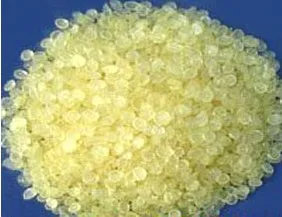
Light color, odorless, granular. Soluble in aliphatic and chlorinated hydrocarbons, insoluble in lower alcohols and ketones. C9 petroleum resin is a type of resin produced by pre-treatment, polymerization, distillation, and other processes of C9 fraction, a byproduct of petroleum cracking. It is not a high polymer. Soluble in most organic solvents such as acetone, cyclohexane, ethyl acetate, toluene, etc., insoluble in ethanol and water. It has the characteristics of low acid value, good miscibility, water resistance, ethanol resistance, and chemical resistance. It is chemically stable to acids and bases, and has good properties in regulating viscosity and thermal stability.
② Chemical formula or molecular formula and structural formula
Molecular weight: 300-3000.
③ Physical and chemical properties and quality indicators
Acid value: 1.0mg KOH/g.
Softening point (global method): 80-140 ℃.
Iodine value: 40-80g I2/100g.
Bromine value: 50-110g Br2/100g.
Ash content: ≤ 0.1%.
Melting viscosity (200 ℃): 400-800mPa · s.
④ Mainly used as a thickening resin for SBS universal adhesive, SBS spray adhesive, laminating adhesive, pressure-sensitive adhesive, hot melt pressure-sensitive adhesive and other adhesives, it is a good thickening agent. It can also be used in small quantities as a substitute for 2404 resin for chloroprene adhesive to reduce costs. When the dosage is appropriate, it will not reduce the bonding strength of chloroprene adhesive. Improving the gloss, hardness, water and alkali resistance of the paint film in coatings; Used to increase the hardness and elasticity of rubber products. It can have the effects of color development, fast drying, and brightening in ink.
C5/C9 copolymer petroleum resin
① Name and characteristics
Chinese alias C5/C9 composite petroleum resin.
English name: Polymer of Petroleum Resin C5/C9.
Pale yellow to brownish yellow flaky or granular solid. It combines the excellent properties of C5 petroleum resin and C9 petroleum resin, with good comprehensive performance, higher iodine value than C9 petroleum resin, and good solubility, compatible with both polar and non-polar polymers.
② Physical and chemical properties and quality indicators softening point (global method): 90-120 ℃. Relative density: 0.96-1.02. Chromaticity (iron cobalt color code): 10-14. Acid value:<1.0mg KOH/g. Ash content: ≤ 2% (550 ℃). Bromine value: 20-40mg Br2/100g. Heating reduction: ≤ 0.5% (65 ℃).
③ Mainly used as a thickening resin for pressure-sensitive adhesives, hot melt pressure-sensitive adhesives, rubber type adhesives, etc.
Hydrogenated petroleum resin
① Name and characteristics
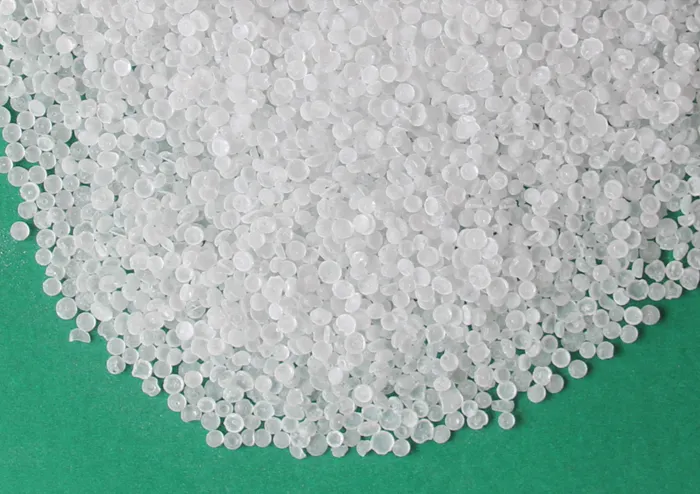
Chinese alias: Hydrogenated petroleum resin. White or light yellow solid, lighter color, improved aging resistance.
② Physical and chemical properties and quality indicators
Melting viscosity: ≤ 400mPa · s (190 ℃).
Softening point (global method): ≥ 95 ℃.
Chromaticity (iron cobalt color code):<5.
Acid value: ≤ 7.5mg KOH/g.
Bromine value: ≤ 5.0g Br2/100g.
Ash content: ≤ 0.02%.
③ Mainly used as a thickening resin for solvent based adhesives, hot melt adhesives, and hot melt pressure-sensitive adhesives.
What exactly is’ drawing ‘on the machine At the moment of glue coating or breaking, a thin wire is pulled out from the end of the sealing or gluing line, which is called “drawing” in the industry.Hot melt adhesive granulesAfter melting, it is a high viscosity hot fluid, and once the temperature, flow rate, and […]
With the development of the plastic industry and the continuous emergence of new requirements in the market, companies that have been using specific granulation systems for a long time need to consider not only cost but also comprehensive understanding of application needs to choose the appropriate granulation system when increasing production capacity. The three main […]
If, like many manufacturers, hot melt adhesive on the packaging line may encounter problems, resulting in slower packaging speed, increased costs, and potential product damage or loss. Let’s take a look at the common hot melt adhesive problems that manufacturers face today and explore possible solutions. Problem 1: UsingHot melt adhesiveToo little If your packaging […]
Functionality and effectiveness What should be considered when choosing environmentally friendly adhesives? Even at home. For example, if you want to repair a cup, you may use adhesive (a type of contact adhesive), but you will use it in your child’s art project; PVA glue, perhaps using double-sided (pressure-sensitive) tape in the scrapbook. For packaging, […]