
2022-08-23 Views: 85 Chinese

What is flocculation?
Flocculation is the accumulation of colloidal particles called flocs, which form visible suspended particles from submicroscopic micro flocs. These micro flocs collide with each other to produce larger visible flocs, known as needle shaped flocs.
What is a flocculant?
Coagulants are substances that promote particle agglomeration used in wastewater treatment. Flocculant water treatment can be used to separate solid harmful particles in water.
Flocculation and coagulation
Agglomeration is an unstable step of colloidal particles, which can be an intermediate step before flocculation assembles unstable colloidal particles into aggregates. The instability occurs because chemical reagents are added to the aqueous suspension, and the dispersed colloidal particles assemble into micro flocs.
Where is the flocculation effect?
Flocculation has many different types of applications. In daily life, dirt and other suspended solids in drinking water must be removed before any bacteria that may be present can be treated. There are different types of coagulants, such as vinegar, gelatin, and aluminum sulfate. For water management applications, this water purifying aluminum sulfate is named alum. It is used to clarify water by neutralizing the double layer around very fine suspended particles. This enables them to flocculate, and after flocculation, the particles will be large enough to settle. Depending on the chemical properties of the treatment, aggregated particles may sink, float, or become large enough for filtration. The final result is that the water leaving the treatment process is cleaner and may have lower turbidity. The mining industry is used to dehydrate surface and underground mines, thereby reducing the amount of sludge. High molecular weight water-soluble polymer flocculants can form larger aggregates, resulting in higher mass flux and potentially significantly reducing the diameter of thickeners. These additives are commonly used for filtration, settling, and flotation to accelerate solid-liquid separation processes. Cationic products are common in wastewater treatment, but higher molecular weight anionic products are easier to obtain, and copolymers of acrylamide and acrylic esters are popular in the mining industry.
What is an organic flocculant?
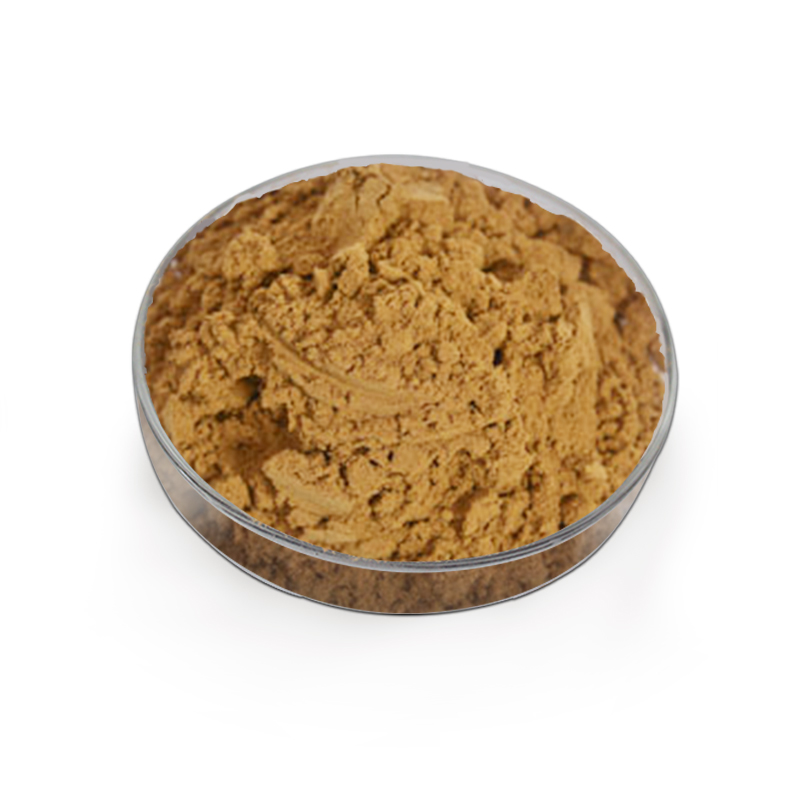
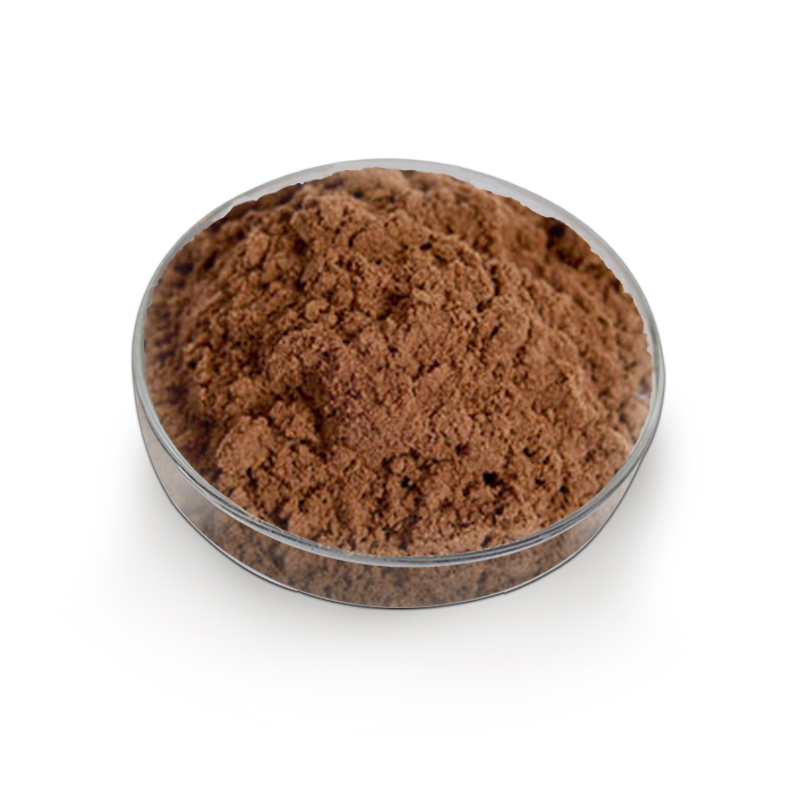
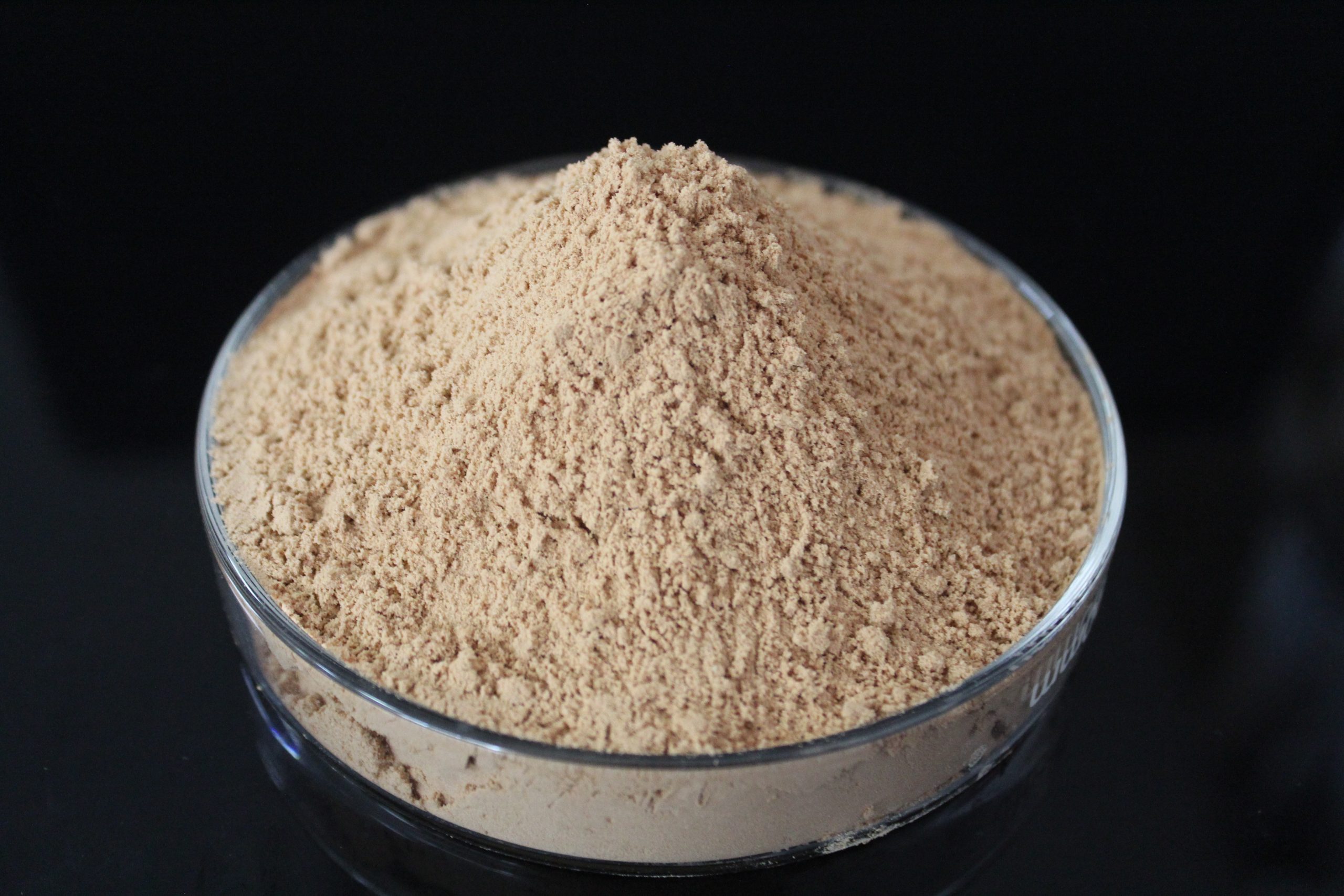
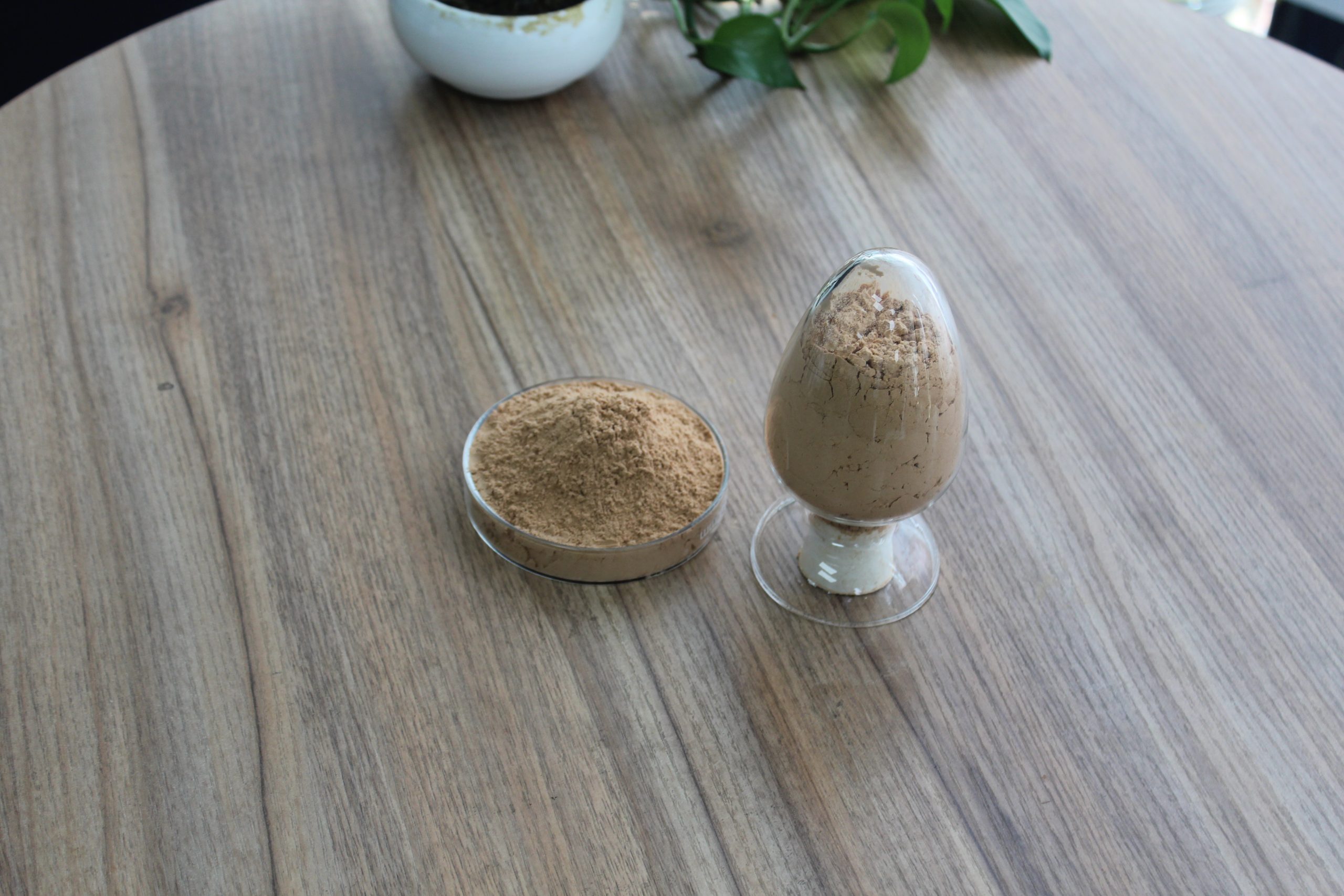
Specially designed to provide products and solutions for water treatment and sewage treatment. Based on natural tannins, coagulants have absolute advantages compared to other products in terms of ecology, technology, and cost.
Advantages and Benefits
Very environmentally friendlyOrganic and biodegradable
Eliminate or reduce alkalinity, save on the use of soda, reduce the cost of lime, and lower the cost of using synthetic polymersExemption or reduction of the addition of oxidizing agents results in sludge that does not contain metal saltsIncreasing the commercial value of sludge generated from sewage treatment is non-toxic and harmless to the environment
Filter low conductivity processing
Certified by CONSEMA (toxicity) and compatible with most metals
Effective over a wide range of pH values
Performance and Usage
Performance: sewage treatment, water purification, etc
Usage: The product service industry covers leather, oil fields, water, wastewater, and papermaking cellulose fields.