
2022-09-09 Views: 118 Chinese
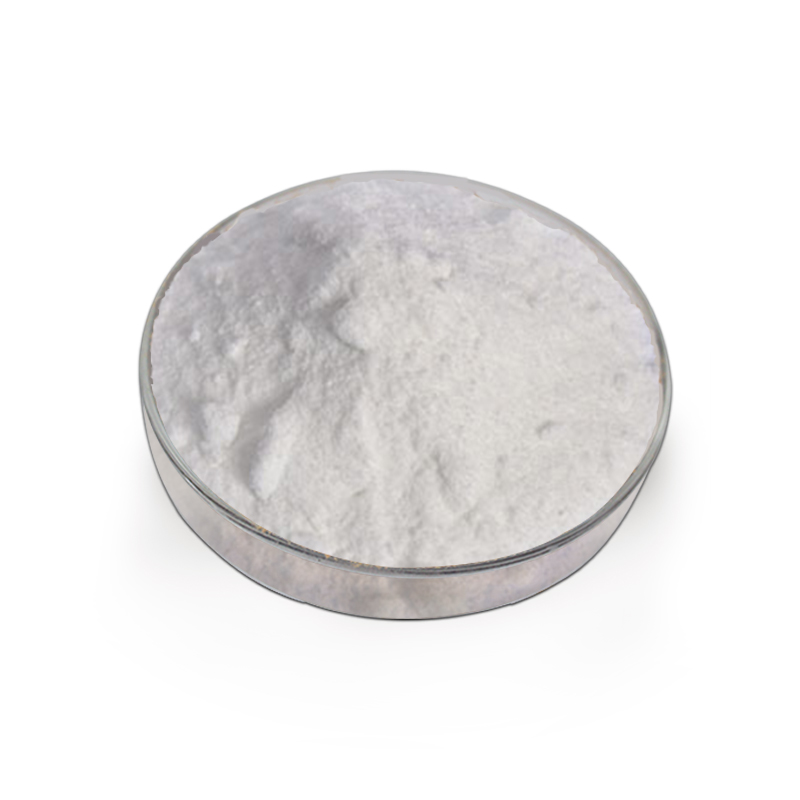
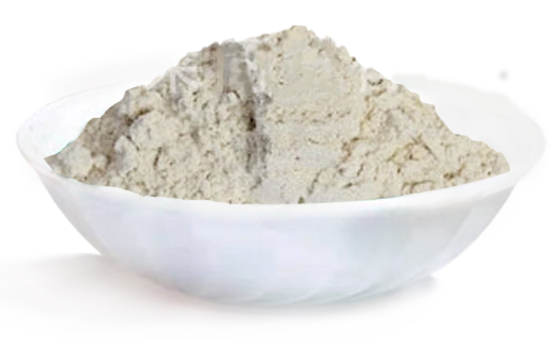
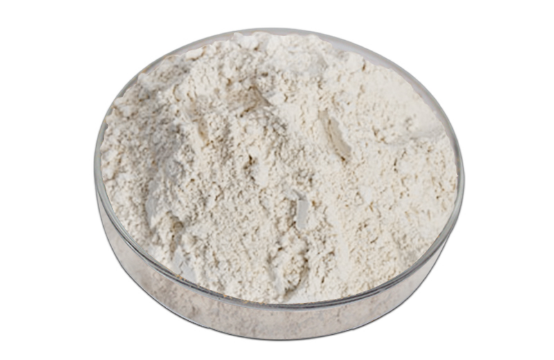
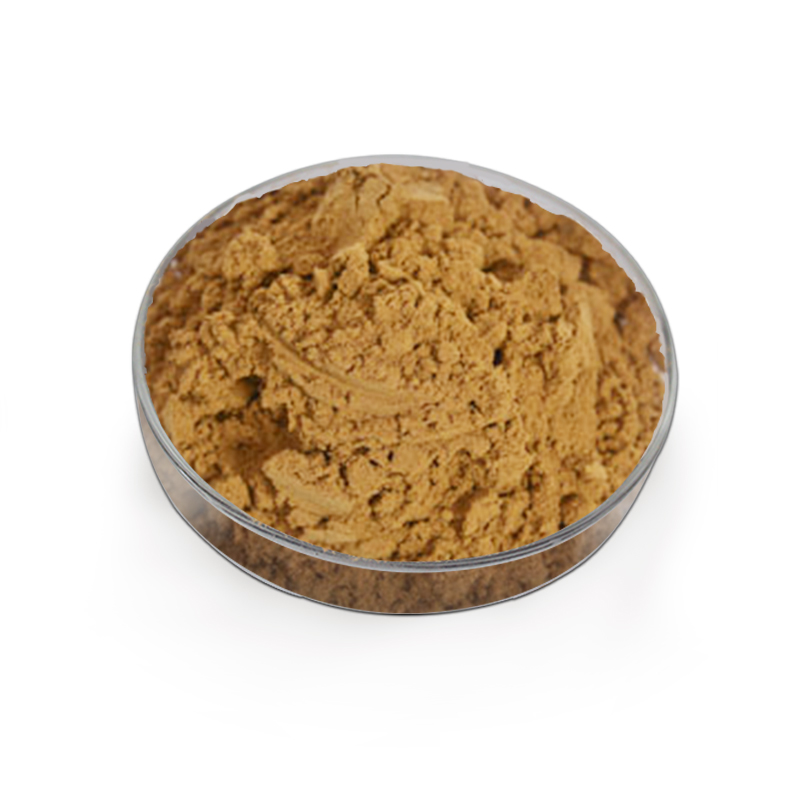
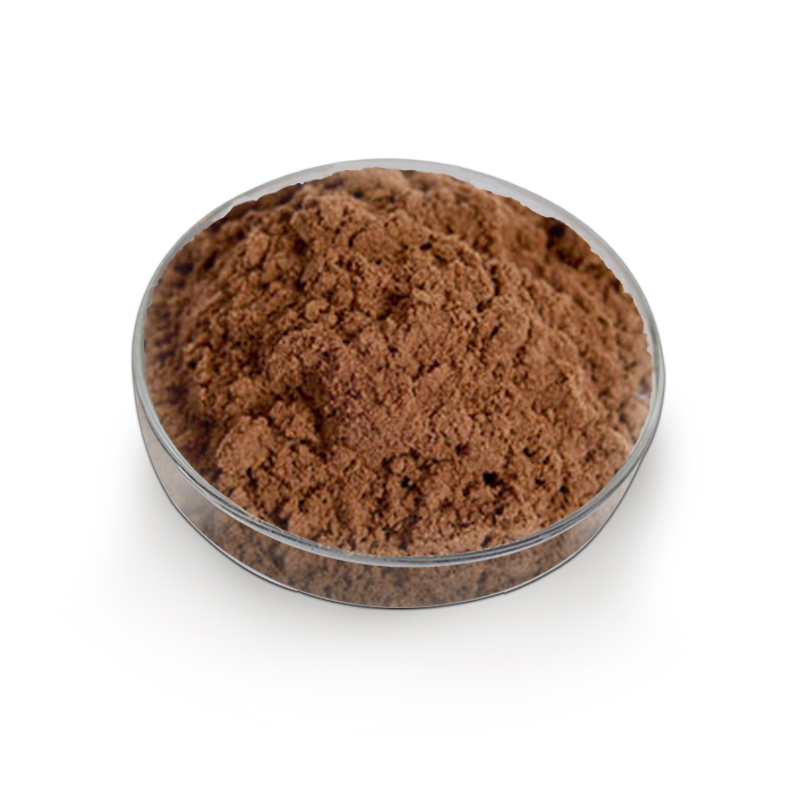
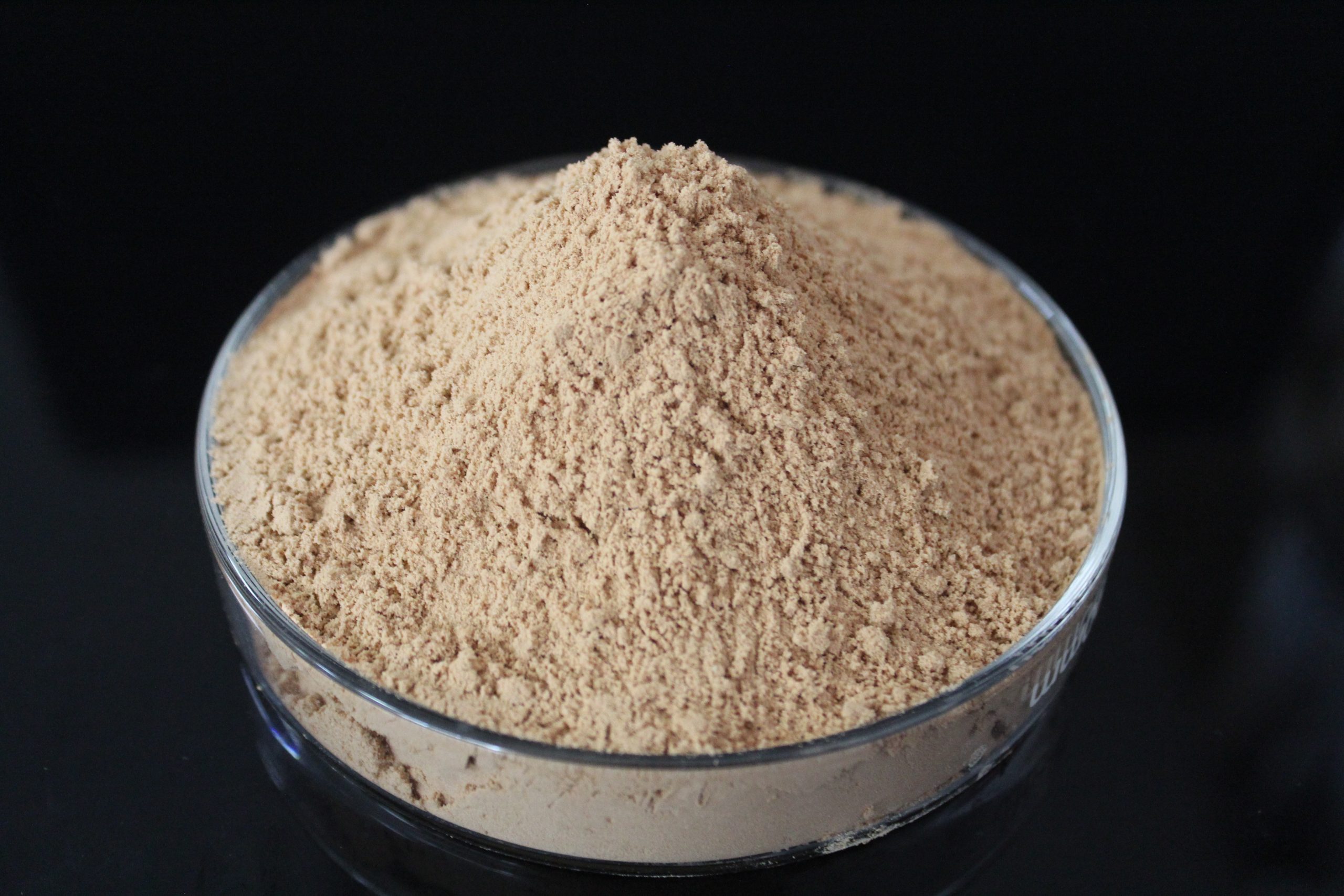
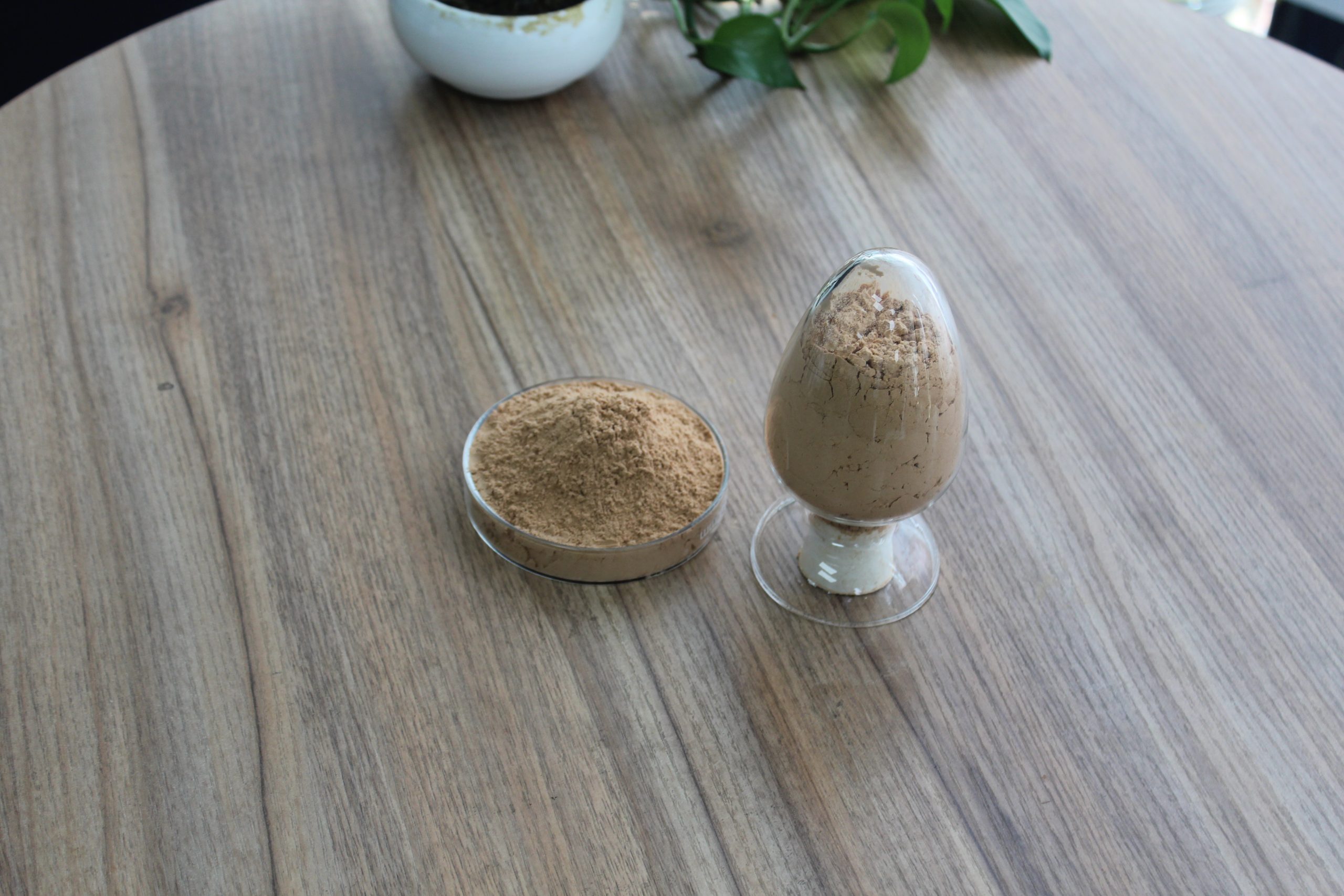
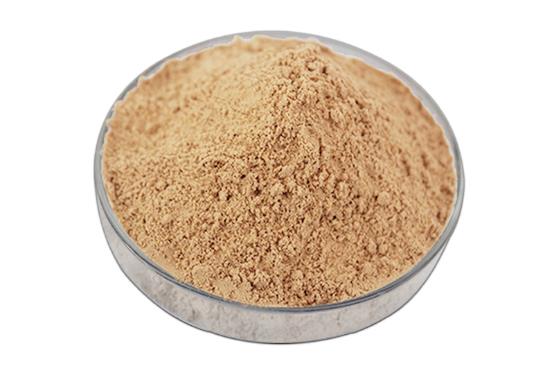
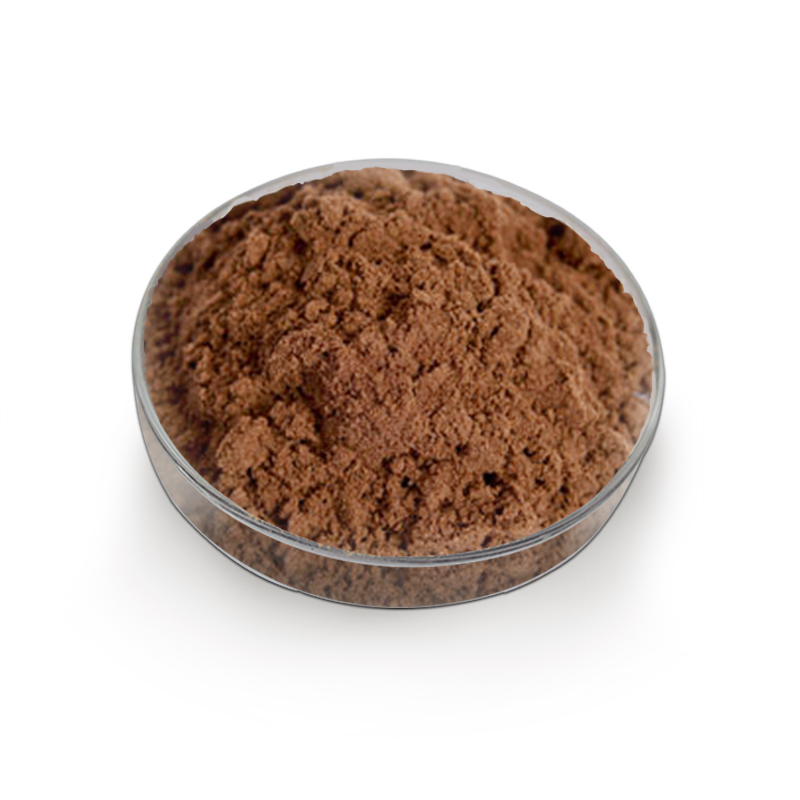
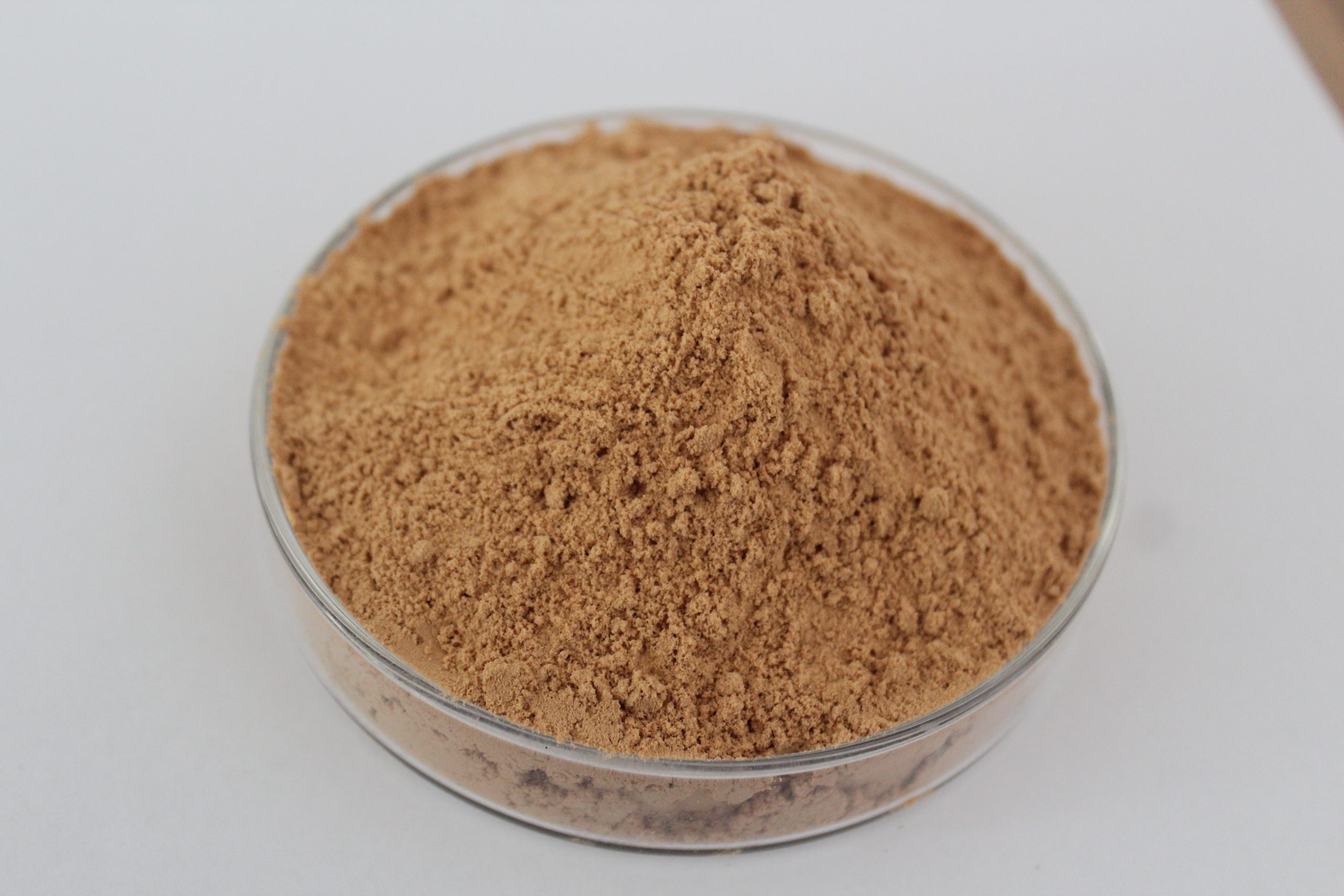
Pale yellow to light brown amorphous powder or loose, lustrous flaky or spongy solid, which can turn black when exposed to air. Odorless, with a slight special smell, a strong astringent taste, and darkens color when exposed to light and air. It is soluble in water, readily soluble in ethanol, acetone and glycerol, and almost insoluble in ether, benzene, chloroform and petroleum ether.

Appearance: White, pale yellow to light brown amorphous powder or loose, lustrous flaky or spongy solid, gradually darkening in color in air, with strong hygroscopicity.
Odor: Odorless, with a slightly distinctive smell and a strong astringent taste.
Solubility: Soluble in water, ethanol and acetone, almost insoluble in benzene, chloroform, ether and petroleum ether. Melting point: 218°C.
Flash point: 187 ° C.
It exists in the bark and fruits of various trees (such as oak and lacquer trees), and is also the main component of insect fistulas formed in these trees when they are attacked by insects, with a content of 50% to 70%. Also known as tannic acid or tannin. Yellow or brownish-yellow amorphous loose powder, gradually darkening in color in the air; Has strong hygroscopicity; Readily soluble in water, ethanol and acetone; The aqueous solution tastes astringent. Decomposes at 210 to 215 ° C. Tannic acid is not a single compound. Its chemical composition is rather complex and can be roughly divided into two types:
① Condensed tannic acid is a flavanol derivative. In its molecule, the 2-position of the flavanol is bonded to catechol or triphenol through a carbon-carbon bond.
② Hydrolyzable tannic acid, with ester bonds in its molecule, is the gallic acid ester of glucose. The latter one is the commonly used tannic acid. The chemical composition of tannic acid varies with the source of raw materials. Tannic acid obtained from gallnuts in China contains approximately 12% glucose. The tannic acid obtained from Turkish gallnut contains approximately 16.5% glucose. Tannic acid can be used in tanning leather, ink manufacturing, sizing paper and silk, descaling boilers, etc. It can also be used as a mordant, a clarifying agent for beer and wine, and a coagulant for rubber, etc.
< p > < strong > industrial-grade tannins applications: < / strong > < strong > < / strong > < / p >
It is used as a clarifying agent and stabilizer for alcoholic beverages and soft drinks in the food industry. It can also be combined with plant fibers to form solidified tannins, which can be used as a filter absorbent for alcoholic beverages and for iron removal and decolorization of soy sauce.
Application in the leather industry. Tannic acid plays a significant role in tanning leather with good results, and the leather does not contain toxic substances.
Tannic acid is used as an effective substitute for calcium and magnesium-containing minerals in the ore flotation process.
is used in drugs.
Used in daily chemical products. Such as toothpaste, cosmetics, etc.
Printing and dyeing, textile.
Previous: Solution for organic flocculants