
2022-09-09 Views: 3,138 Chinese

Printing and dyeing industry:Fixing agent is one of the important additives in the printing and dyeing industry, which can improve the color fastness to moisture treatment of dyes on fabrics. It can form insoluble colored substances with dyes on fabrics, improving their washing and sweat fastness, and sometimes also enhancing their sun fastness.
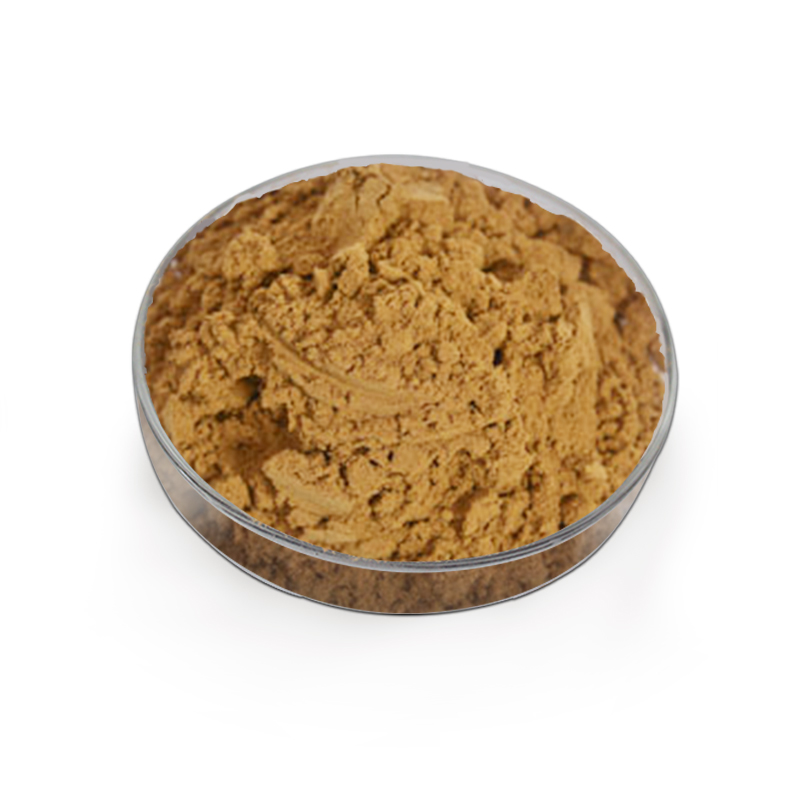
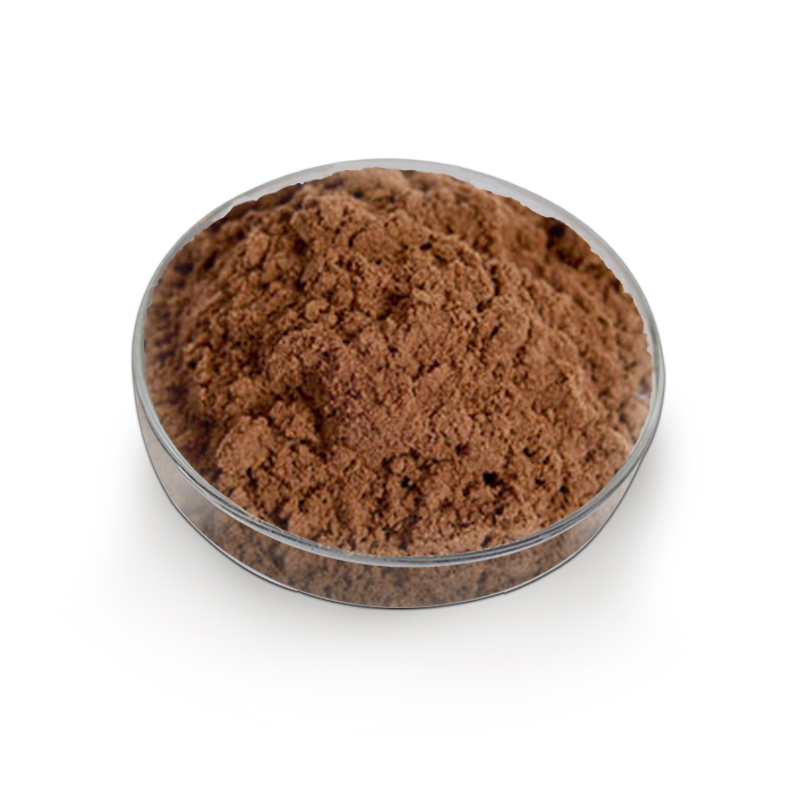
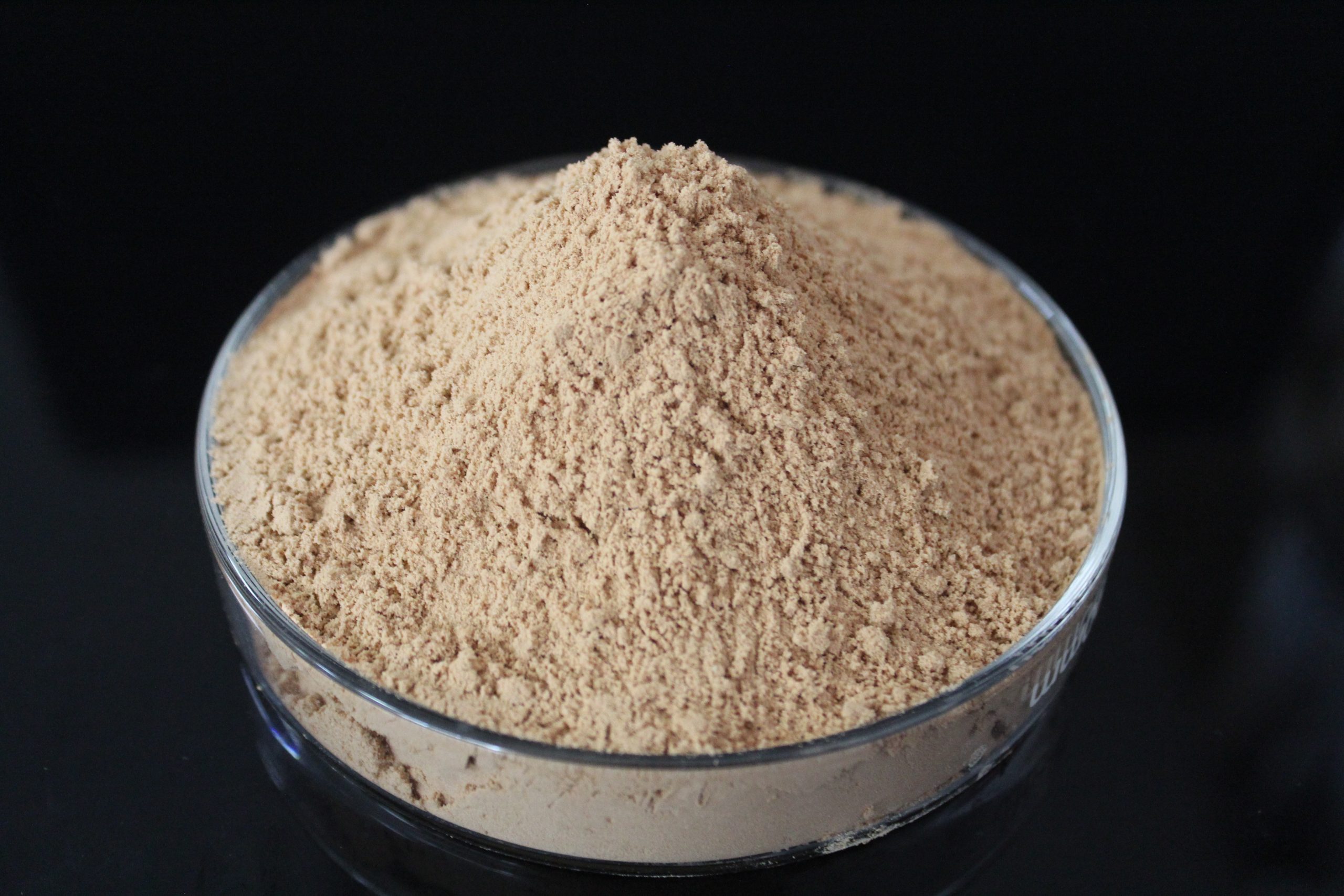
Tannin itself has color and is a natural dye Due to different plant extracts, it presents colors such as light yellow, light brown, and light brown. Based on the chemical properties of tannins, the parent catechins of condensed tannins originate from anthocyanins, which are colorless and undergo oxidation condensation to become natural dyes.
Textile industry:Textile printing is the method of printing various colored patterns on textiles. The traditional printing process includes several steps such as pattern design, pattern plate making, color paste modulation, pattern printing, and post-processing (steaming and washing). In textile printing and dyeing, it is used as a fixing agent, mordant, fiber deodorizer, and synthetic dyeing hopper. In textile printing and dyeing, it is used as a fixing agent, mordant, fiber deodorizer, and synthetic dyeing hopper.
Furniture and Wood Industry:Some woods contain tannins (also known as plant tannins), which are a mixture of polyphenolic compounds. When in contact with iron under humid conditions, the tannins react chemically (chelation reaction) with iron to form tannic acid iron.
Tannic acid iron is black in color and is the main raw material used to make ink, which causes the color of wood to turn black. According to the amount of iron and the duration of contact between wood and iron, the color of wood changes from light gray to blue black.
Therefore, wood furniture containing tannins will change color after a period of time, which is the color of classical furniture.
Industrial rust removal:Tannic acid is a rust transforming agent that can react chemically with the main component of iron oxide in the rust layer, forming a stable network structure of coordination compounds. This effectively transforms rust into a protective film layer and firmly binds it to the iron matrix.