
新闻中心
The aging of hot melt adhesive is mainly manifested in two aspects: appearance and performance. Visually, the color of hot melt adhesive may become dull, and even yellow or brown tones may appear. The texture may become hard and brittle, losing its original flexibility, and the surface may have cracks or fissures. In terms of performance, the viscosity of hot melt adhesive will decrease, the adhesive layer will melt, the temperature resistance will deteriorate, and the chemical stability will also change, resulting in a significant decrease in its adhesive performance.
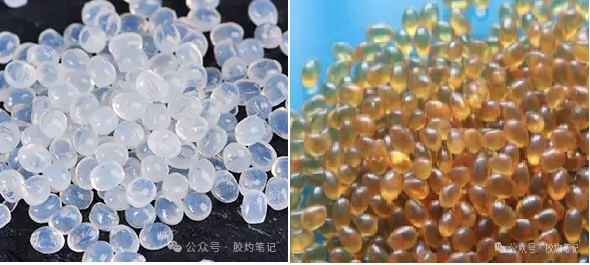
There are many reasons that can lead to aging, including the following common ones.
1、 Oxidation
Oxidation is one of the important reasons for the aging of hot melt adhesive. Polymers in hot melt adhesives undergo oxidation reactions under the action of oxygen, producing new functional groups that can sometimes cause chemical bond breakage or cross-linking, thereby changing their physical and chemical properties. The rate of oxidation is influenced by environmental factors such as temperature, humidity, and light. Therefore, hot melt adhesives are more prone to aging under prolonged high temperature, high humidity, and strong light conditions. If necessary, nitrogen protection is required during the production process. Thoroughly isolate the oxidative damage of oxygen to the performance of hot melt adhesive during production and use.
If you have high requirements for color, then you need to analyze your components. If there are easily oxidizable components such as rosin in the thickening resin, it is necessary to carry out nitrogen protection during the production process. Because the unsaturated double bonds in the molecular structure of rosin resin are easily oxidized by oxygen in the air, forming new functional groups and causing its color to turn yellow.
But if oxidation still occurs even after being isolated from oxygen, you need to reconsider whether there are two or more components in your formula that can participate in the oxidation reaction. At the beginning of formula design, these factors should be taken into consideration.
2、 Thermal degradation
During the use of hot melt adhesive, it needs to be heated to a certain temperature to have fluidity in order to exert its adhesive effect. However, high temperatures can also cause thermal degradation of polymers in hot melt adhesives, resulting in a decrease in molecular weight, chain breakage, and ultimately affecting their properties. In addition, prolonged heating and cooling cycles can also lead to the accumulation of internal stress in hot melt adhesive, accelerating its aging process. So, when using hot melt adhesive, it is best to use it immediately after opening and not accumulate too many heating cycles.
Sometimes, due to inadequate oxygen isolation, oxidation intensifies during the heating process, leading to an increase in the molecular weight of some organic compounds and a rise in the glass transition temperature Tg, resulting in an increase in heating temperature and exacerbating the thermal degradation process of certain components, further reducing their performance.
During the use of hot melt adhesive, the temperature control of the adhesive tank should also pay attention to uniform heating and material renewal frequency. Sometimes, some materials are used too slowly, and a batch of materials is heated up multiple times without being consumed, and new materials are added. The old materials that are repeatedly heated are the main force of thermal degradation. Cleaning and real-time temperature monitoring of the glue tank are essential to minimize material defects caused by avoidable human factors.

3、 Ultraviolet radiation
Ultraviolet radiation is another important factor causing aging of hot melt adhesive. Ultraviolet radiation has high energy and can break chemical bonds in polymer chains, leading to polymer degradation. Therefore, hot melt adhesive exposed to sunlight for a long time is prone to aging.
4、 Improper storage
The storage environment also has a significant impact on the aging of hot melt adhesive. If hot melt adhesive is stored in damp, poorly ventilated, or directly exposed to sunlight, it can easily absorb moisture, oxidize, or emit ultraviolet radiation, thereby accelerating the aging process. In addition, prolonged storage time can also lead to a decrease in the performance of hot melt adhesive.
We can take the following measures:
The aging of hot melt adhesive is a complex process that is influenced by multiple factors. You should know that hot melt adhesive is a mixture, and each component can be a cause of aging, and different components can also affect each other. By deeply analyzing the reasons and taking effective preventive measures, we can extend the service life of hot melt adhesive and improve its performance stability.
In the wireless adhesive packaging process of books, the uneven thickness of the adhesive wire is a quality problem frequently encountered by printing factories and graphic and text fast printing factories. One side of the adhesive layer is too thick and overflowing, while the other side is too thin and debonding. This not only makes […]
Heavy calcium carbonate (CaCO3) in hot melt adhesive is a commonly used filler that can increase the hardness of colloids, improve their wear resistance and stability, and reduce costs. However, in the hot melt adhesive system, due to its high density, heavy calcium is prone to settling, leading to segregation, that is, the separation of […]
The broken folding line of corrugated cardboard boxes is often related to the lack of reinforcement at the folding point and the brittle and hard adhesive layer. A high elasticity hot melt adhesive line can be added to the folding line to reinforce the weak points; The selection of glue prioritizes elasticity, and actual samples need to be confirmed based on the cardboard, equipment, and climate.
Three common pits for sealing the heaven and earth lid The sealing of colored box top and bottom lids (top and bottom lids) is a high-frequency process in the packaging industry, but problems such as lid popping, glue line overflow, and skewed sealing often occur on the production line. Many times nothot melt adhesive pelletsThe […]