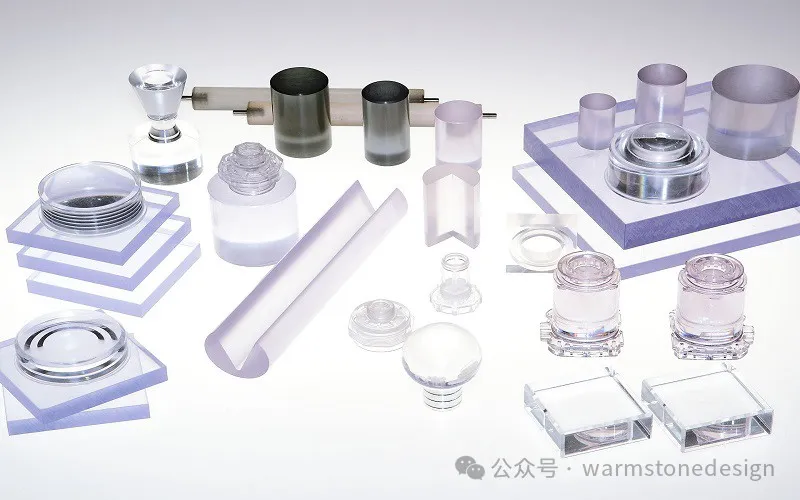
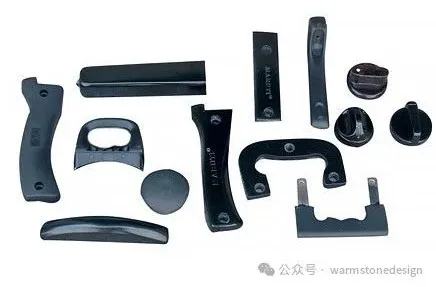
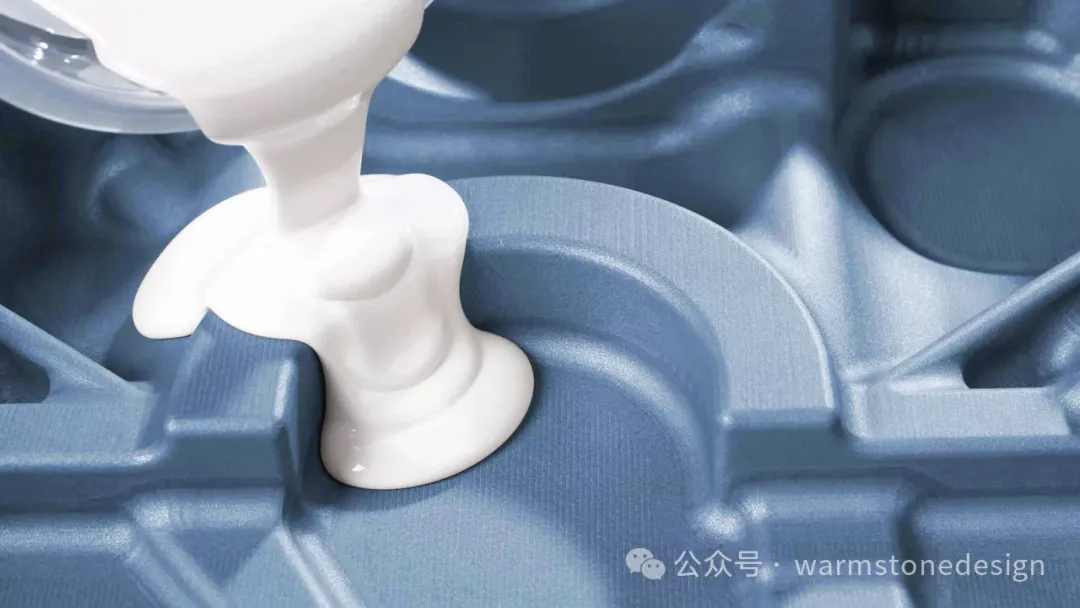
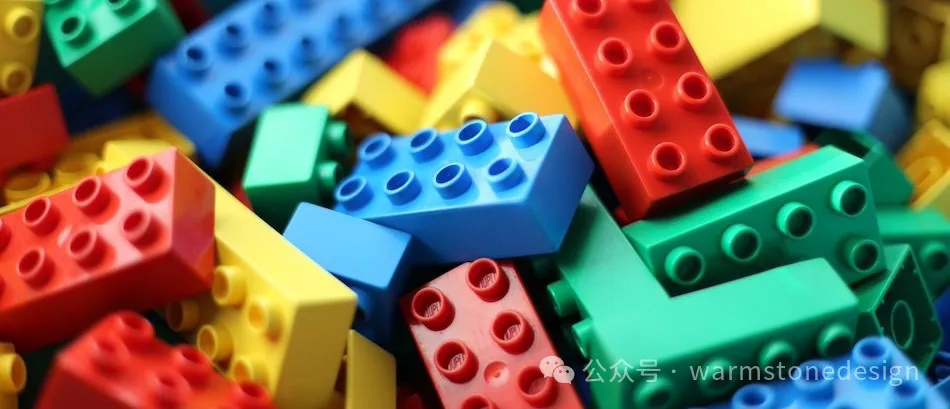
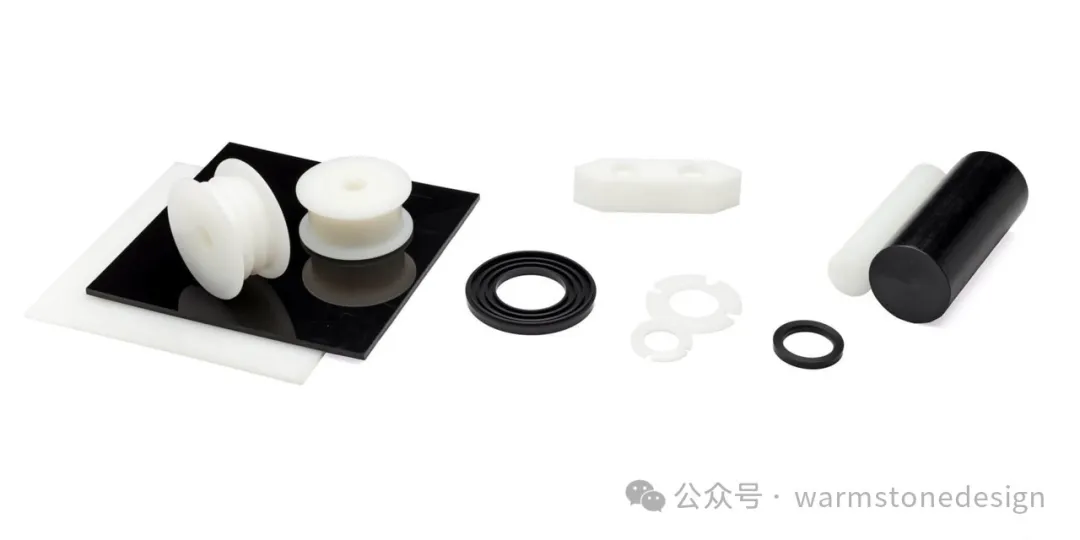
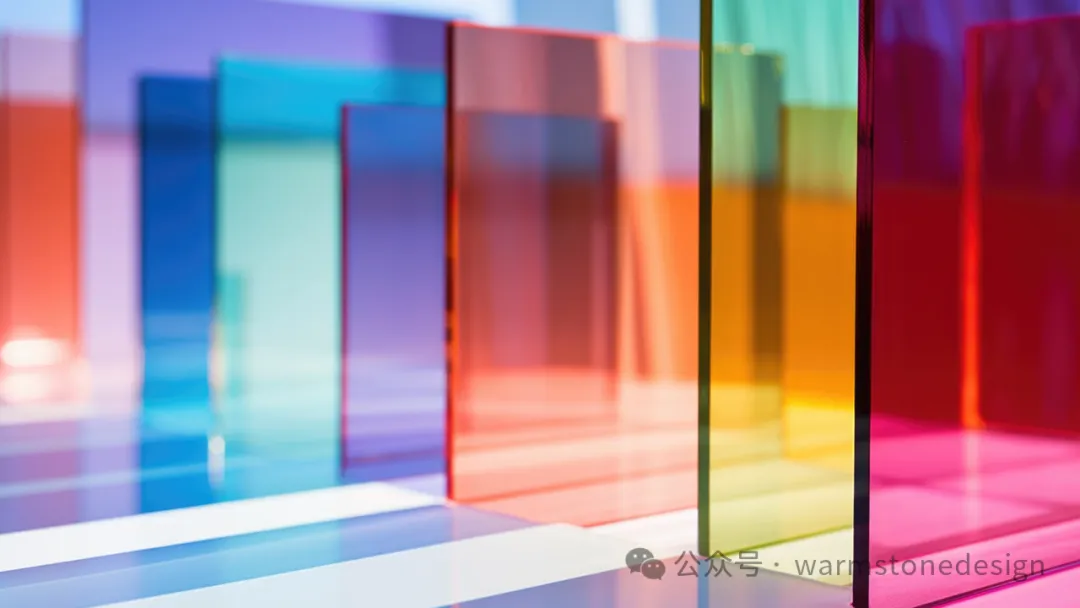
PE, PP, PVC, PS, PC, POM, EP, ABS, PA, PMMA, etc. are collectively referred to as plastic materials, also known as polymer materials. They are a type of synthetic material with plasticity made from polymer compounds through different processing methods. Plastic materials have the advantages of lightweight, high strength, corrosion resistance, and good insulation, and are widely used in various fields such as packaging, construction, automotive, electronics, etc.
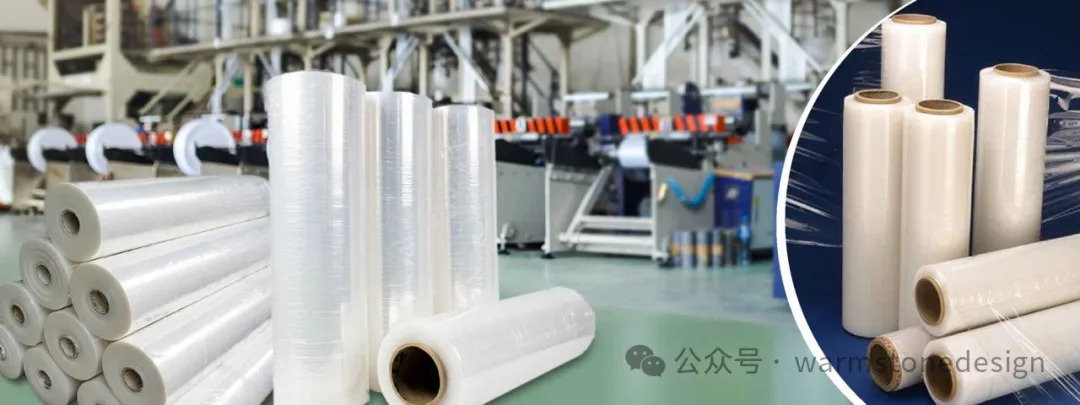
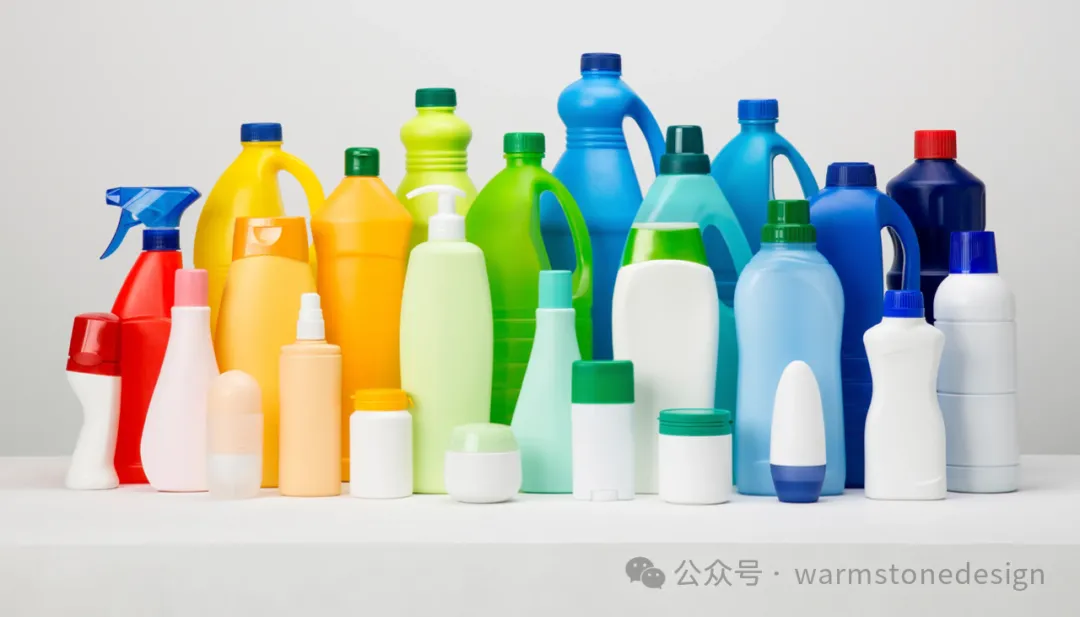
Polyethylene (PE): It is a lightweight, flexible, and chemically resistant thermoplastic. According to different densities, it can be divided into high-density polyethylene (HDPE) and low-density polyethylene (LDPE).
Polypropylene (PP): It has high heat resistance, chemical resistance, and rigidity, and is a commonly used material for automotive parts and household appliances.
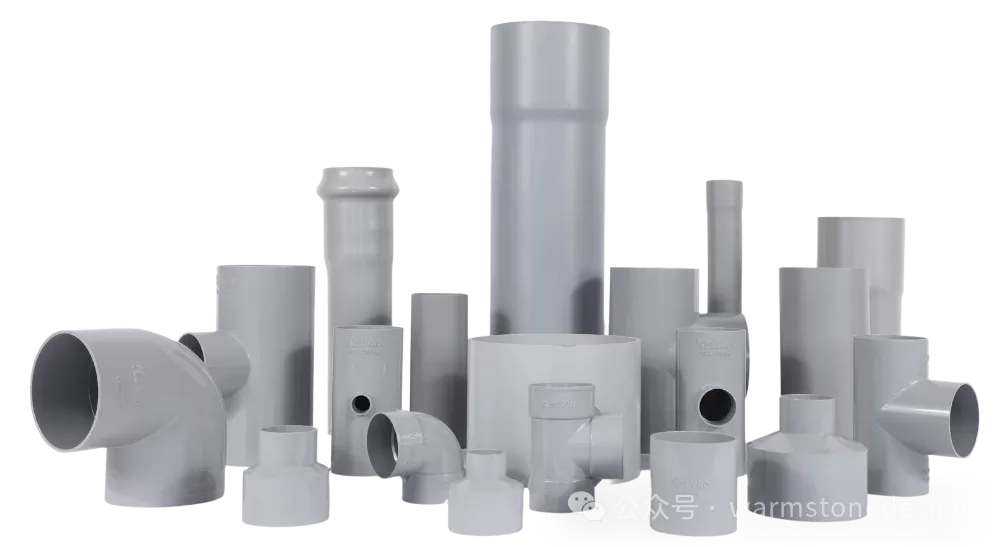
Polyvinyl chloride (PVC): It has good chemical corrosion resistance, mechanical strength, and electrical insulation, and is commonly used in pipelines, wires, cables, and medical equipment..
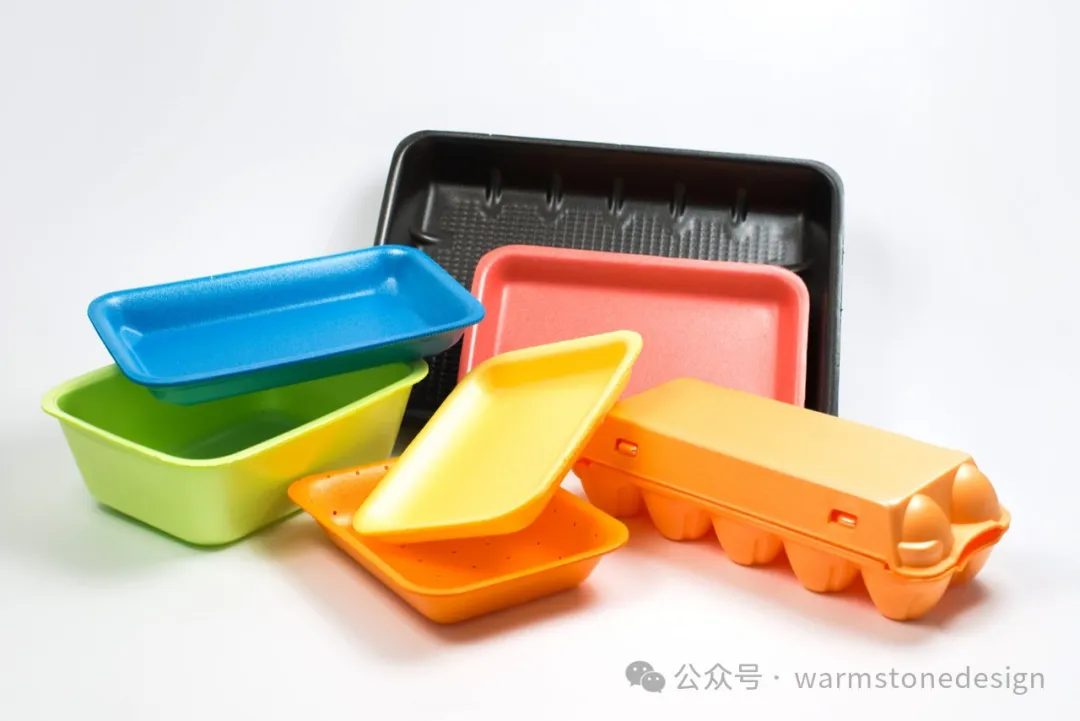
Polystyrene (PS): It is a transparent, lightweight, and well insulated plastic widely used in disposable tableware and packaging materials.
Polycarbonate (PC): Known for its excellent transparency, impact resistance, and temperature resistance, it is commonly used in the manufacture of eyeglass lenses, bulletproof glass, and protective covers.
Polyoxymethylene (POM): It is an engineering plastic with high crystallinity, strength, and rigidity, suitable for manufacturing precision parts and gears.
Phenolic plastic (PF), also known as electric wood, is a thermosetting plastic with good mechanical properties and heat resistance, commonly used as an electrical insulation material.
Epoxy resin (EP) is a thermosetting plastic with good adhesion and electrical insulation properties, widely used in coatings, adhesives, and electronic packaging materials.
Acrylonitrile Butadiene Styrene (ABS) is a common thermoplastic polymer with excellent mechanical and processing properties, commonly used in the manufacture of toys, automotive components, and electronic device casings.
Polyamide (PA): Also known as nylon, it is an engineering plastic with high strength, toughness, and wear resistance, suitable for manufacturing bearings, gears, and fibers.
polymethyl methacrylate (PMMA): commonly known as acrylic, is a thermoplastic with excellent transparency and strong weather resistance, commonly used in lighting equipment and billboards.
1. PE (polyethylene)
Physical and chemical properties
Polyethylene (PE) is a linear polymer with an extremely simple molecular structure composed of repeated “- CH2-CH2-” units. This structure endows PE with various unique physical and chemical properties:
Lightweight: PE has a low density, approximately between 0.91 and 0.96 g/cm ³, making it a representative of lightweight materials.
Chemical Corrosion Resistance: PE exhibits good chemical stability to most acid, alkali, and salt solutions..
Electrical Insulation: As a non-polar material, PE has excellent electrical insulation properties..
Low temperature resistance: PE can maintain its physical properties at temperatures as low as -70 ° C.
Thermoplastic: PE can be reshaped after heating, making it easy to recycle and reprocess..
Processing method
There are various processing methods for polyethylene, mainly including the following:
Extrusion: Used for producing insulation layers for pipes, wires, and cables..
Injection molding: Suitable for manufacturing small containers, toys, etc.
Blow molding: used for producing hollow bottles and containers.
Compression molding: Suitable for manufacturing larger plastic parts..
Hot forming: Used for manufacturing thin-walled packaging materials and pallets..
Application Fields
Polyethylene has a wide range of applications, and the following are some of the main application examples:
Packaging Material: PE film is widely used in food packaging and commodity packaging due to its lightweight and good protective properties..
Plastic Pipe: HDPE pipe is commonly used for transporting water and gas due to its chemical corrosion resistance and wear resistance..
Wires and Cables: PE, as an insulation material, is widely used in the manufacturing of wires and cables..
Agriculture: PE is used to manufacture agricultural films, such as plastic film covering technology..
Medical field: Due to its biocompatibility and chemical resistance, PE is also used in the manufacture of certain medical devices..
Automotive Industry: PE is used to manufacture automotive components such as fuel tanks and bumpers due to its lightweight and impact resistance..
2. PP (polypropylene)
Physical and chemical properties
Polypropylene (PP) is a linear thermoplastic prepared by polymerization of propylene monomers. PP has the following significant physical and chemical properties:
Heat resistance: The melting temperature of PP is between 160 and 170 ° C, which has good heat resistance and is suitable for manufacturing products that need to withstand high temperature environments..
Chemical Corrosion Resistance: PP has good stability against chemicals such as water, inorganic salts, acids, and bases, but is susceptible to corrosion by certain organic solvents..
Rigidity: PP has high rigidity, which allows it to maintain its shape when subjected to large loads..
Fatigue resistance: PP has good fatigue resistance and is suitable for applications that require repeated bending or twisting..
Thermoplastic: PP can be repeatedly heated and cooled without losing its physical properties, making it easy to recycle.
Processing method
Polypropylene can be made into different products through various processing techniques:
Extrusion: Used for producing PP pipes, sheets, bars, etc.
Injection molding: Suitable for manufacturing small to medium-sized plastic products, such as containers, lids, automotive parts, etc.
Blow molding: Used for producing large hollow plastic products, such as bottles and barrels..
Thermoforming: Used for manufacturing thin-walled plastic packaging containers or trays..
Fiber Manufacturing: PP can also be made into fibers through stretching and weaving processes, which are used to make ropes, carpets, etc.
Application Fields
The application of polypropylene is very extensive, and the following are some main application examples:
Automotive Industry: PP is widely used in the manufacturing of automotive interior and exterior components, such as instrument panels, bumpers, etc., due to its lightweight and heat resistance..
Textile Industry: PP fibers are used to manufacture ropes, carpets, clothing, etc.
Packaging Materials: PP is commonly used as a packaging material for food and non food due to its lightweight and chemical resistance..
Household Appliances: PP is used to manufacture household appliance components such as microwave safe containers and refrigerator drawers..
Construction Industry: PP pipes and sheets are used for piping systems and decorative materials in buildings..
Medical field: PP is also used to manufacture some disposable medical products, such as syringes and test tubes, due to its biocompatibility..
3. PVC
Physical and chemical properties
Polyvinyl chloride (PVC) is a polar non crystalline thermoplastic that is polymerized from vinyl chloride monomer. PVC has the following significant physical and chemical properties:
Chemical Corrosion Resistance: PVC has high resistance to acids, bases, and salts, but is susceptible to corrosion by certain organic solvents..
Mechanical Strength: PVC has good mechanical properties, including tensile strength and impact resistance..
Electrical Insulation: As a non-polar material, PVC has excellent electrical insulation properties..
Weather resistance: PVC has good resistance to ultraviolet radiation and atmospheric chemicals, making it suitable for outdoor use..
Thermal Stability: PVC requires the addition of thermal stabilizers during processing to prevent thermal decomposition.
Processing method
PVC can be made into different products through various processing techniques:
Extrusion: Used for producing PVC pipes, door and window frames, cable insulation layers, etc.
Injection molding: Suitable for manufacturing small to medium-sized plastic products, such as toys, electrical casings, etc.
Blow molding: used for producing hollow bottles, containers, and other large products.
Rolling: Used for manufacturing PVC films and sheets, commonly used in packaging and decorative materials..
Thermoforming: Used for manufacturing complex geometric shaped products, such as automotive components and building components..
Application Fields
The application fields of polyvinyl chloride are very wide, and the following are some main application examples:
Construction Industry: PVC is widely used in pipeline systems, window frames, and flooring materials in the construction industry..
Medical Devices: PVC is used to manufacture disposable medical devices such as blood bags and infusion tubes due to its biocompatibility..
Automotive Industry: PVC is used to manufacture automotive interior components such as instrument panels and door panels..
Electronics Industry: PVC is used as an insulation layer for wires and cables and as a casing for electronic devices due to its excellent electrical insulation properties..
Packaging Material: PVC film is used for food and non food packaging due to its excellent sealing and chemical resistance..
Toy Manufacturing: PVC is used to manufacture children’s toys and other entertainment products due to its processing performance and cost-effectiveness..
4. PS (polystyrene)
Physical and chemical properties
Polystyrene (PS) is a thermoplastic known for its transparency, lightweight, and ease of processing. PS has the following significant physical and chemical properties:
Transparency: PS has good transparency, especially in thinner sheets or containers..
Processability: PS is easy to process and can be processed through various methods such as injection molding, extrusion, vacuum forming, etc.
Insulation: As a non-polar material, PS has excellent electrical insulation properties..
Impact resistance: PS has good impact resistance at room temperature, but this property decreases with decreasing temperature..
Thermal stability: PS may undergo thermal degradation when exposed to high temperatures for a long time, so temperature control is necessary during processing and use.
Processing method
Polystyrene can be processed through the following methods:
Injection molding: Suitable for producing various complex shaped plastic products, such as toys, container lids, etc.
Extrusion: Used for producing PS films, sheets, pipes, etc.
Blow molding: used for manufacturing hollow plastic bottles and other containers.
Hot forming: Used for producing thin-walled products such as disposable tableware and trays..
Compression molding: Suitable for producing products with high transparency requirements, such as transparent packaging boxes..
Application Fields
The application areas of polystyrene include:
Packaging Material: PS is commonly used in the manufacture of disposable tableware, food containers, etc. due to its transparency and portability..
Electronic Products: PS is used to manufacture the casing and components of electronic devices, such as phone cases, computer accessories, etc.
Medical Devices: Transparency and chemical resistance make PS suitable for certain components of medical devices..
Construction Industry: PS is used to produce building products such as insulation materials and decorative panels..
Toy Manufacturing: PS is widely used in the manufacturing of children’s toys due to its processability and cost-effectiveness..
Optical Products: High transparency PS is used to manufacture optical products such as eyeglass lenses and CD boxes..
5. PC (polycarbonate)
Physical and chemical properties
Polycarbonate (PC) is an amorphous thermoplastic with high transparency and excellent mechanical properties. The physical and chemical properties of PC are as follows:
Transparency: PC has a light transmittance of up to 90%, making it an ideal material for manufacturing transparent plastic products..
Impact resistance: PC has extremely high impact strength and can maintain its impact resistance even at low temperatures..
Temperature resistance: The glass transition temperature of PC is around 150 ° C, which has good short-term heat resistance and is suitable for high temperature environments.
Weather resistance: PC has a certain tolerance to ultraviolet radiation, but long-term exposure to sunlight may lead to degradation..
Mechanical Properties: PC has good tensile strength, bending strength, and compressive strength..
Processing method
Polycarbonate can be processed into various products using the following techniques:
Injection molding: Suitable for producing precision plastic products, such as eyeglass lenses, phone cases, etc.
Extrusion: Used for producing PC films, pipes, rods, etc.
Thermoforming: Used for manufacturing large plastic products, such as automotive parts and protective covers..
Compression molding: Suitable for manufacturing thick walled or complex shaped plastic products..
Blow molding: Although not commonly used for PC, it can also be used in certain special applications..
Application Fields
Polycarbonate has a wide range of applications, and the following are some of the main application examples:
Glasses Industry: PC is commonly used in the manufacturing of safety glasses lenses due to its lightweight and impact resistance..
Automotive Industry: PC is used to manufacture components such as headlights, taillights, and windows for automobiles..
Electronic Appliances: PC is used to manufacture casings and protective covers for electronic devices such as computers, mobile phones, televisions, etc.
Construction Industry: PC panels are used for skylights, daylighting panels, and guardrails in buildings..
Medical Devices: The transparency and chemical resistance of PC make it suitable for manufacturing some medical devices and containers..
Safety Equipment: PC is used to manufacture bulletproof glass, helmets, and other protective equipment..
6. PF (Phenolic Plastic)
Physical and chemical properties
Phenolic plastic (PF), also known as electric wood, is a thermosetting plastic widely used in the industrial field due to its excellent mechanical properties and heat resistance.
Heat resistance: PF has a high heat deformation temperature, usually above 150 ° C, which allows it to remain stable in high temperature environments..
Mechanical Properties: PF has high hardness and strength, and can maintain these characteristics over long-term use, making it less prone to deformation..
Electrical Insulation: As a non-polar material, PF has good electrical insulation performance and is suitable for electrical insulation materials..
Chemical Corrosion Resistance: PF has good stability against most chemicals, including acids, bases, and organic solvents..
Thermosetting: PF does not melt again after processing and has irreversible thermosetting properties, which makes it have good dimensional stability after molding.
Processing method
The processing methods of phenolic plastics mainly include compression molding, transfer molding, and injection molding.
Compression molding: It is the most commonly used processing method for PF, which involves placing raw materials into a mold and then applying high temperature and pressure to solidify and shape them..
Transfer molding: Suitable for manufacturing products with complex shapes or fine patterns, by heating the raw materials and transferring them under pressure to the mold for molding..
Injection molding: Suitable for mass production of small products, by injecting raw materials into molds and rapidly curing them under high temperature and pressure..
Application Fields
Phenolic plastics have a wide range of applications, including:
Electrical Industry: PF is widely used in the manufacturing of various electrical insulation materials and electronic device casings due to its excellent electrical insulation performance and heat resistance..
Automotive Industry: PF is used to manufacture ignition system components, heaters, and other high-temperature resistant parts for automobiles..
Construction Industry: PF is suitable for manufacturing pipelines, valves, and decorative materials due to its heat resistance and chemical corrosion resistance..
Aerospace: PF is used to manufacture non structural components inside aircraft, such as insulation materials and decorative panels.
Industrial Products: PF is used to manufacture various parts of industrial machinery, such as bearings, gears, and pump components..
Daily Necessities: PF is also used to manufacture some daily necessities, such as electrical switches, buttons, and handles..
7. EP (epoxy plastic)
Physical and chemical properties
Epoxy plastic (EP) is a thermosetting plastic based on epoxy resin, which has the following significant physical and chemical properties:
Adhesive Performance: EP has extremely strong adhesive ability and can firmly bond with various materials, including metal, glass, and various plastics..
Mechanical Strength: The cured EP exhibits excellent mechanical strength and hardness, making it suitable for applications that can withstand high loads..
Chemical Corrosion Resistance: EP has good stability against most chemicals, including acids, bases, and organic solvents..
Electrical Insulation: As a non-polar material, EP has good electrical insulation properties and is suitable for electronic and electrical applications..
Temperature resistance: EP has good heat resistance and can be used for a long time within a certain temperature range without losing performance..
Processing method
The processing methods of epoxy plastics mainly include the following:
Casting molding: After mixing epoxy resin and curing agent, pour them into the mold to cure and form, suitable for manufacturing large or complex shaped products.
Pre impregnated material: Epoxy resin is pre impregnated onto reinforcing materials such as glass fiber or carbon fiber, and then formed by hot pressing or rolling..
Laminated molding: By stacking multiple layers of prepreg and applying heat and pressure, the desired thickness and shape are formed..
Coating: Epoxy resin can be used as a coating to provide protection and insulation by coating on the surface of the substrate..
Adhesive: Used as an adhesive to bond two materials together.
Application Fields
The application fields of epoxy plastics are very wide, and the following are some main application examples:
Electrical Insulation: EP is widely used as an insulation material for motors, transformers, and cables due to its excellent electrical insulation performance..
Composite Materials: EP is combined with reinforcement materials to manufacture high-strength and high rigidity composite materials, such as aircraft components, automotive parts, and sports equipment..
Coatings and Adhesives: EP is used as a coating and adhesive for surface protection and fixation of various metals and non metals..
Electronic Packaging: In the electronics industry, EP is used to package semiconductors and circuit boards, providing protection and insulation..
Construction Industry: EP is used to manufacture flooring, tile adhesives, and reinforcement materials for building structures..
Crafts and Decorations: EP is also used to make various crafts and decorations, such as replicas of jewelry and art..
Repair Material: EP is used for repairing and reinforcing structural components, such as bridges and buildings, due to its excellent bonding performance and mechanical strength..
8. ABS (Acrylonitrile Butadiene Styrene)
Physical and chemical properties
Acrylonitrile Butadiene Styrene (ABS) is a common thermoplastic polymer formed by copolymerization of three monomers: acrylonitrile, butadiene, and styrene. ABS combines the characteristics of three monomers and has the following significant physical and chemical properties:
Comprehensive Performance: ABS has excellent mechanical properties such as high strength, high toughness, and good hardness, making it the preferred material for many applications..
Impact resistance: Due to the addition of butadiene, ABS has excellent impact resistance, which can be maintained even at low temperatures.
Processability: ABS is easy to process and can be molded through various methods such as injection molding, extrusion, and thermoforming.
Thermal Stability: ABS has good thermal stability during processing, but the long-term use temperature usually does not exceed 80 ° C
Electrical Insulation: As a non-polar material, ABS has good electrical insulation performance..
Chemical Corrosion Resistance: ABS has good stability against chemicals such as water, inorganic salts, acids, and bases, but is susceptible to corrosion by certain organic solvents..
Processing method
There are various processing methods for ABS, mainly including the following:
Injection molding: ABS is the most commonly used processing method, suitable for producing various complex shaped plastic products, such as toys, automotive parts, etc.
Extrusion: Used for producing ABS pipes, bars, plates, etc.
Thermoforming: Used for manufacturing large plastic products, such as automotive parts and protective covers..
Blow molding: Although not commonly used for ABS, it can also be used in certain special applications..
Compression molding: Suitable for producing products with high transparency requirements, such as transparent packaging boxes..
Application Fields
ABS has a wide range of application fields, and the following are some main application examples:
Automotive Industry: ABS is widely used in the manufacturing of automotive interior and exterior components, such as instrument panels, bumpers, etc., due to its lightweight and impact resistance..
Electronic Appliances: ABS is used to manufacture casings and protective covers for electronic devices such as computers, mobile phones, televisions, etc.
Office equipment: Printers, copiers, and other office equipment often use ABS to manufacture the casing and internal components.
Toy Manufacturing: ABS is widely used in the manufacturing of children’s toys and game consoles due to its processability and cost-effectiveness..
Packaging Materials: ABS is used to manufacture packaging containers and display stands with certain special requirements..
Construction Industry: ABS is used to produce building products such as insulation materials and decorative panels..
Medical Devices: Transparency and chemical resistance make ABS suitable for certain components of medical equipment..
9. PA (polyamide)
Physical and chemical properties
Polyamide (PA), commonly known as nylon, is a synthetic polyamide plastic with excellent physical and chemical properties
High strength and toughness: The molecular chain of PA contains amide groups, which gives it high strength and toughness, especially in low-temperature environments..
Wear resistance: PA has a low coefficient of friction and good wear resistance, making it suitable for manufacturing bearings and gears.
Chemical Corrosion Resistance: PA has good resistance to most organic solvents, bases, and salts, but is susceptible to corrosion by certain acids and oxidants..
Thermal stability: PA can be used at higher temperatures, but long-term exposure to high temperatures may result in thermal degradation..
Moisture absorption: PA has a certain degree of moisture absorption, which may affect its mechanical properties and dimensional stability..
Processing method
Polyamide can be processed into various products using the following techniques:
Injection molding: Suitable for producing various complex shaped plastic products, such as gears, bearings, etc.
Extrusion: Used for producing PA pipes, rods, monofilaments, etc.
Blow molding: used for manufacturing hollow plastic bottles and other containers.
Thermoforming: Used for producing large plastic products, such as automotive parts and protective covers..
Compression molding: Suitable for producing products with high transparency requirements, such as transparent packaging boxes..
Application Fields
Polyamide has a wide range of applications, and the following are some of the main application examples:
Automotive Industry: PA is widely used in the manufacturing of automotive interior and exterior components, such as engine parts, door handles, etc., due to its lightweight and impact resistance..
Electronic appliances: PA is used to manufacture insulation components for electrical equipment and casings for electronic devices..
Textile Industry: PA fibers are used to manufacture wear-resistant clothing fabrics, carpets, fishing nets, etc.
Packaging Materials: PA is used to manufacture food packaging and industrial packaging materials, such as food films and heavy-duty packaging bags..
Machinery Industry: PA is used to manufacture bearings, gears, and other mechanical components due to its wear resistance and self-lubricating properties..
Consumer Goods: PA is used to manufacture various consumer goods such as toothbrushes, combs, and sports equipment..
10. PMMA (polymethyl methacrylate)
Physical and chemical properties
Poly (methyl methacrylate), also known as acrylic, organic glass, or acrylic, is a transparent and thermoplastic material with high transparency, low cost, and easy mechanical processing. It is often used as a substitute material for glass.
Density: The density of PMMA is approximately 1.15-1.19g/cm ³, which is lighter than glass.
Mechanical strength: PMMA has a high relative molecular weight and long-chain polymer structure, which makes it strong and has 7-18 times higher tensile and impact resistance than ordinary glass..
Melting point: The melting point of PMMA is relatively low, much lower than that of glass at about 1000 ° C
Transmittance: The transmittance of PMMA is as high as 92%, which is better than ordinary glass.
Chemical stability: PMMA has good resistance to most inorganic acids, bases, and salts, but is susceptible to corrosion by certain organic solvents such as acetone and chloroform..
Processing method
PMMA can be processed through various methods:
Casting: Suitable for manufacturing large products such as bathtubs, large lighting fixtures, etc.
Injection molding: Suitable for mass production of small products such as toys, small appliances, etc.
Mechanical processing: Cutting, drilling, etc. can be performed using tools such as lathes and drilling machines..
Hot forming: Suitable for manufacturing products with complex shapes, such as automotive components, aviation components, etc.
Blow molding, injection molding, extrusion: Suitable for manufacturing pipes, rods, plates, etc.
Application Fields
PMMA has a wide range of applications, including:
Construction industry: Used for building skylights, transparent roofs, canopies, telephone booths, stairs, and room wall cladding..
Automotive Industry: Used for manufacturing car lights, windows, etc.
Medical Devices: Due to its excellent transparency and chemical stability, PMMA can be used to manufacture medical devices and instruments..
Optical Products: Due to its high transparency, PMMA can be used to manufacture eyeglass lenses, optical instruments, etc.
Advertising Industry: Used for making advertising lightboxes, signs, directional signs, etc.
Home goods: such as decorations, bathroom facilities, handicrafts, etc.
Lighting equipment: Used to manufacture transparent covers for various lighting fixtures..
Resolution method
Distinguishing different plastic materials can usually be achieved using specific testing methods, such as density testing, infrared spectroscopy analysis, hardness testing, chemical resistance testing, mechanical performance testing, and other specialized equipment and knowledge. There are also some basic methods to distinguish these common plastic materials: Appearance and Touch
PE and PP typically appear as translucent white or waxy materials.
PVC can be either hard or soft. Hard PVC is usually transparent, while soft PVC is opaque and has good flexibility.
PS is a colorless and transparent hard material.
PC is colorless and transparent, with high transparency and impact resistance.
POM is white or black and has good hardness and strength.
EP is usually opaque and has good mechanical strength and chemical resistance.
ABS is usually opaque and has good impact resistance and processability.
PA is semi transparent and has good toughness and chemical resistance.
PMMA is highly transparent and is known as “plastic glass”.
Combustion test
When PE and PP burn, they produce paraffin like droplets with a blue flame.
When PVC burns, it produces irritating hydrogen chloride gas, and the flame appears green.
PS burns with thick smoke and yellow flames.
When PC burns, the flame appears yellow and there are fewer droplets.
POM burns with a blue flame and a formaldehyde odor.
EP is not easy to burn and produces a special odor when burned.
When ABS burns, it produces black smoke and a special odor.
When PA burns, the flame appears blue with a faint smell of burnt wool.
PMMA burns with a blue flame and a strong pungent odor.
Guangzhou Sunlife Trading Co., Ltd. is a high-tech enterprise integrating R&D, production and sales. Our subsidiary — Foshan Jucai New Materials Co., Ltd. — independently develops and produces EVA hot melt adhesives widely used in the printing industry (book binding spine glue, book binding side glue, graphic glue, lay-flat glue, notebook glue, etc.) and packaging industry (paper bag glue, EPE pearl cotton hot melt glue, etc.), with an annual production capacity of nearly 5,000 tons, having helped domestic and overseas customers bind over 3 billion books so far!
Our hot melt adhesive journey began in 2010. With more than a decade of technical accumulation, we have become a leading player in China's hot melt adhesive industry, serving customers across 34 provinces, municipalities and autonomous regions, and exporting to the United States, Russia, Eastern Europe and other regions.