
新闻中心
People have always been confused about the softening point and temperature resistance of hot melt adhesive. Some customers even asked what the melting point of hot melt adhesive is? Now Sunlife hot melt adhesive will answer from a professional perspective, with a detailed understanding of the differences in melting point, softening point, and temperature resistance.
Melting point: The melting point of a substance, which is the temperature at which a solid or liquid of a pure substance reaches equilibrium under a certain pressure. Due to the fact that hot melt adhesive is a mixed substance, it is incorrect to define hot melt adhesive based on its melting point. The melting point that most customers refer to is actually the softening point of hot melt adhesive.
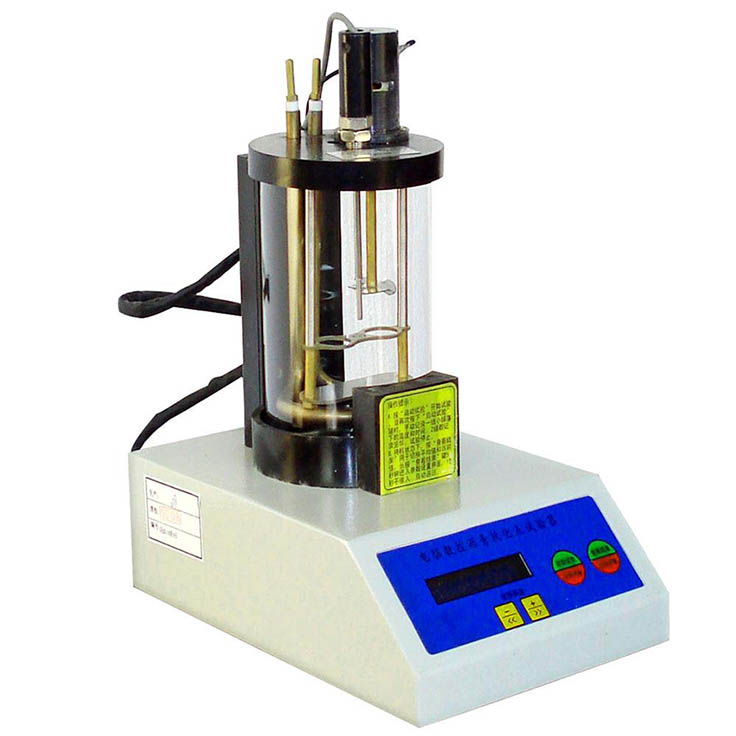
Softening point: Softening point, the temperature at which a substance softens. Mainly refers to the temperature at which amorphous polymers begin to soften. It is not only related to the structure of the polymer, but also to its molecular weight. There are many measurement methods. Different measurement methods often result in inconsistent results. The softening point of hot melt adhesive is usually tested using the global method, with a softening point between 69-82 ℃.
Temperature resistance: It is an important technical indicator of hot melt adhesive. It refers to the temperature at which the adhesive properties of hot melt adhesive begin to change after it is firmly bonded. Ordinary EVA hot melt adhesive is suitable for ambient temperatures ranging from 0 to 35 ℃. Special models of hot melt adhesive can withstand high temperatures of 80 ℃, 120 ℃, 140 ℃, and 170 ℃. The low temperature resistance is generally -10 ℃, and some hot melt adhesives can reach -20~-30 ℃. Ordinary hot melt adhesive can meet the normal climate range.
The adhesive field is extremely extensive, and its core characteristic is the ability to achieve adhesive function through various mechanisms such as mechanical anchoring and adsorption. Therefore, any substance with such ability can be considered as an adhesive for use. Numerous adhesives have demonstrated cross material bonding capabilities, such as rubber adhesives that can connect […]
EVA polymer hot melt adhesive is solvent-free, anhydrous, and 100% solid meltable. Main ingredients: resin, adhesive, viscosity modifier, antioxidant, etc. Fischer Tropsch wax in productionEVA hot melt adhesiveAs a viscosity modifier, it mainly reduces the viscosity of polymers and increases fluidity. EVA hot melt adhesiveTypes of viscosity modifiers: Commonly used viscosity modifiers include paraffin wax, […]
More and more books are using EVA hot melt adhesive for binding process. Almost all of them are used in large, medium, and small processing plants across the country. There will still be an upward trend in the future. This is because using this adhesive results in fast book publishing speed, short cycle time, aesthetically […]
The acceptance of pearl cotton hot melt adhesive should not only focus on whether it sticks when just pressed. For the processing of cushioning packaging, lining, and combination packaging, appearance, positioning, and adhesive performance after cooling are equally important as batch operation stability. This article provides a practical on-site judgment method. Core KeywordsPearl cotton adhesive, […]

